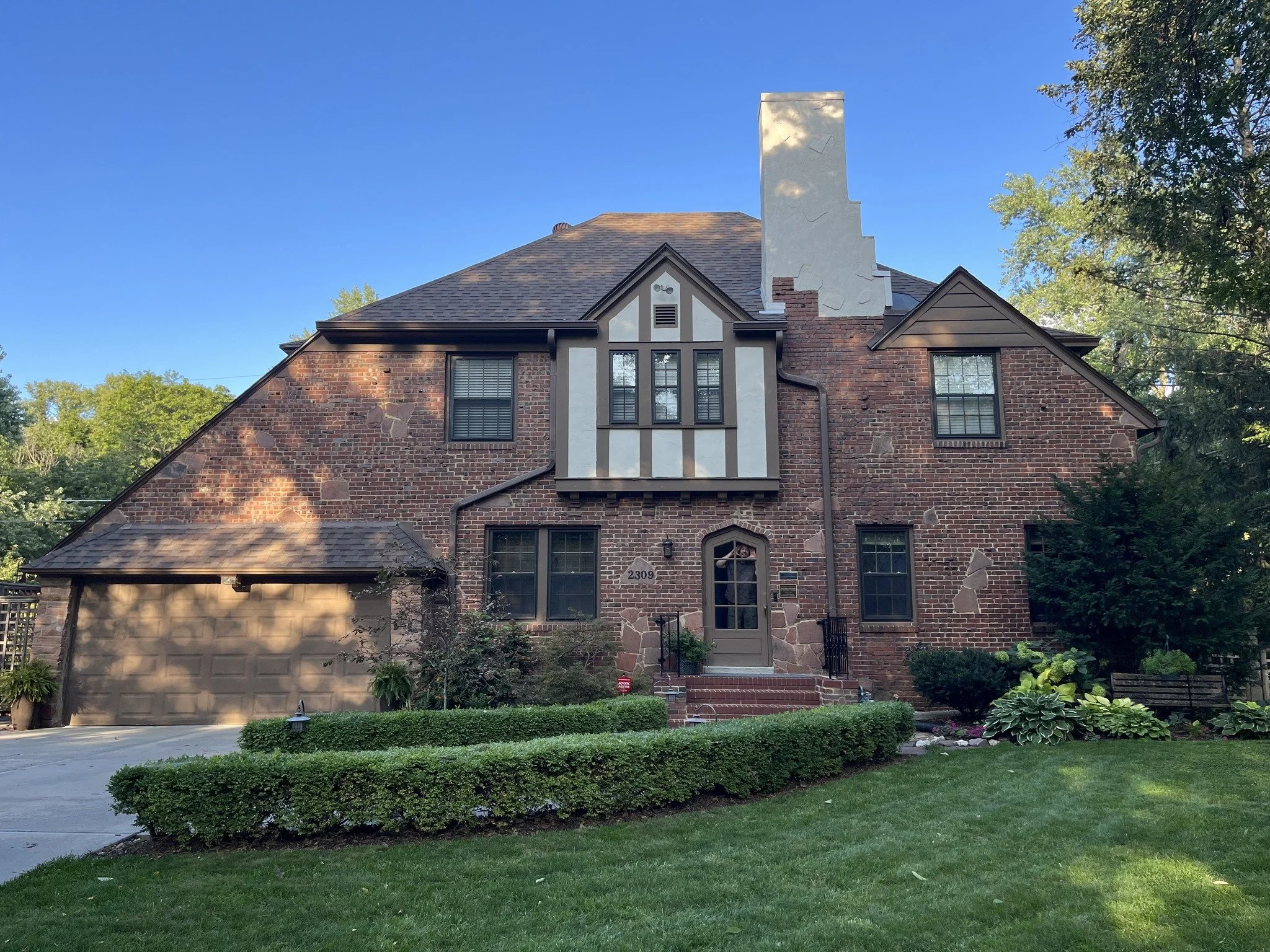
STORY #38: 2309 Country Club Avenue (Built 1928)
Some homes were built to blend in.
Others were built to be noticed.
The brick home at 2309 Country Club Avenue clearly falls into the second category.
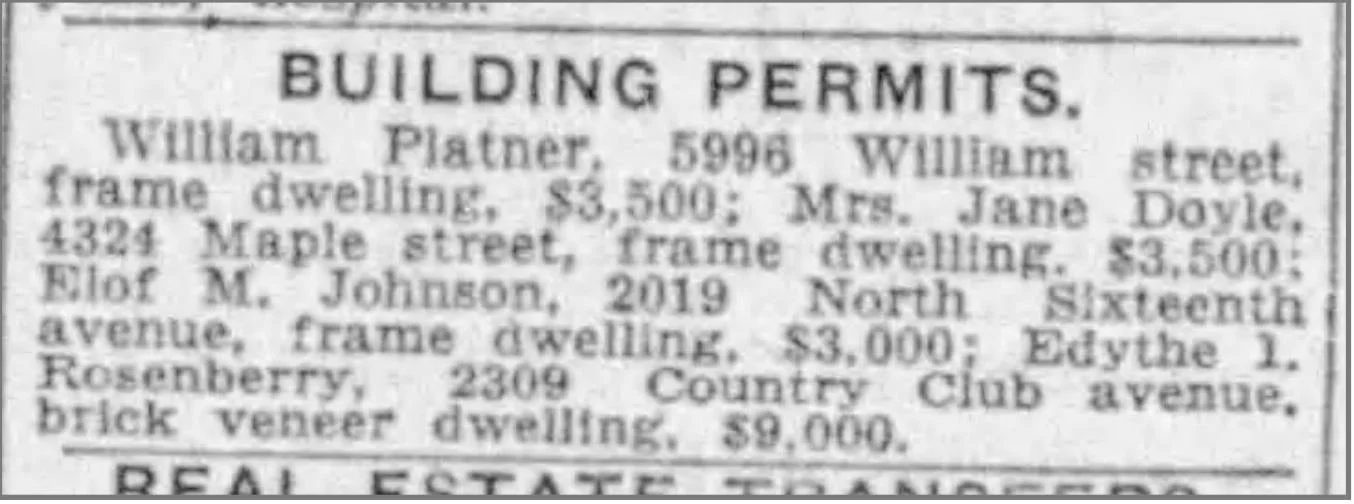
A building permit issued in September 1928 recorded a $9,000 investment—placing it among the more substantial homes rising in the new Country Club neighborhood. The owner listed was Edythe Rosenberry, part of a family deeply tied to the neighborhood’s architectural story.
And that connection mattered.
The home was designed and built by her husband, architect Charles W. Rosenberry, whose work helped shape the character of Country Club. Here, he delivered a house inspired by the popular English styles of the late 1920s—rich in craftsmanship and curb appeal.
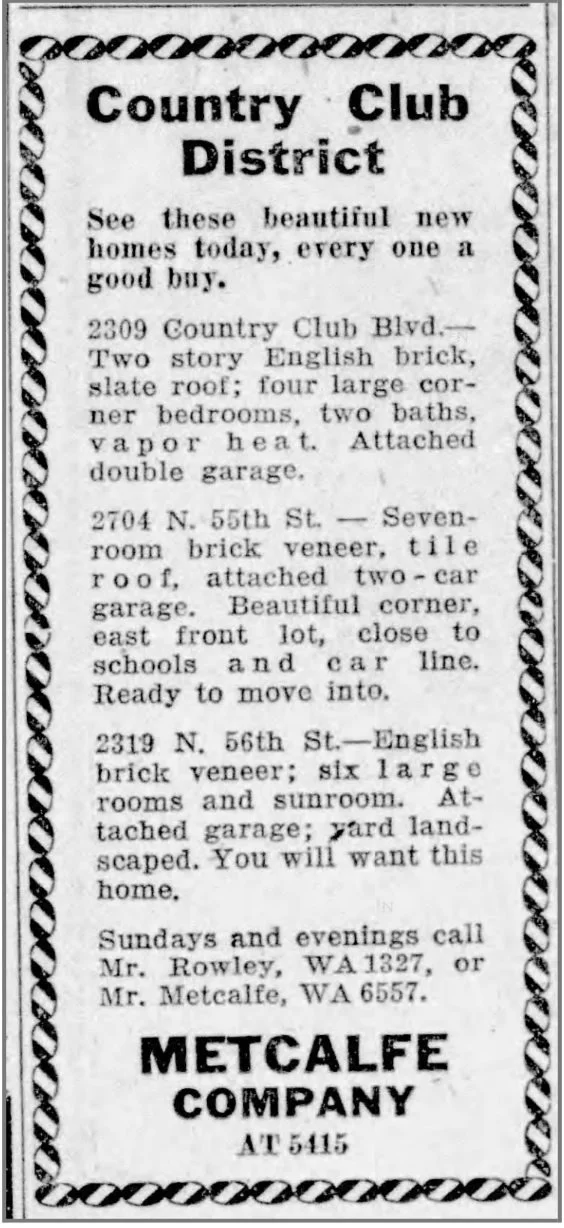
When completed in February 1929, the home was marketed to buyers as a “beautiful new home” in the district.
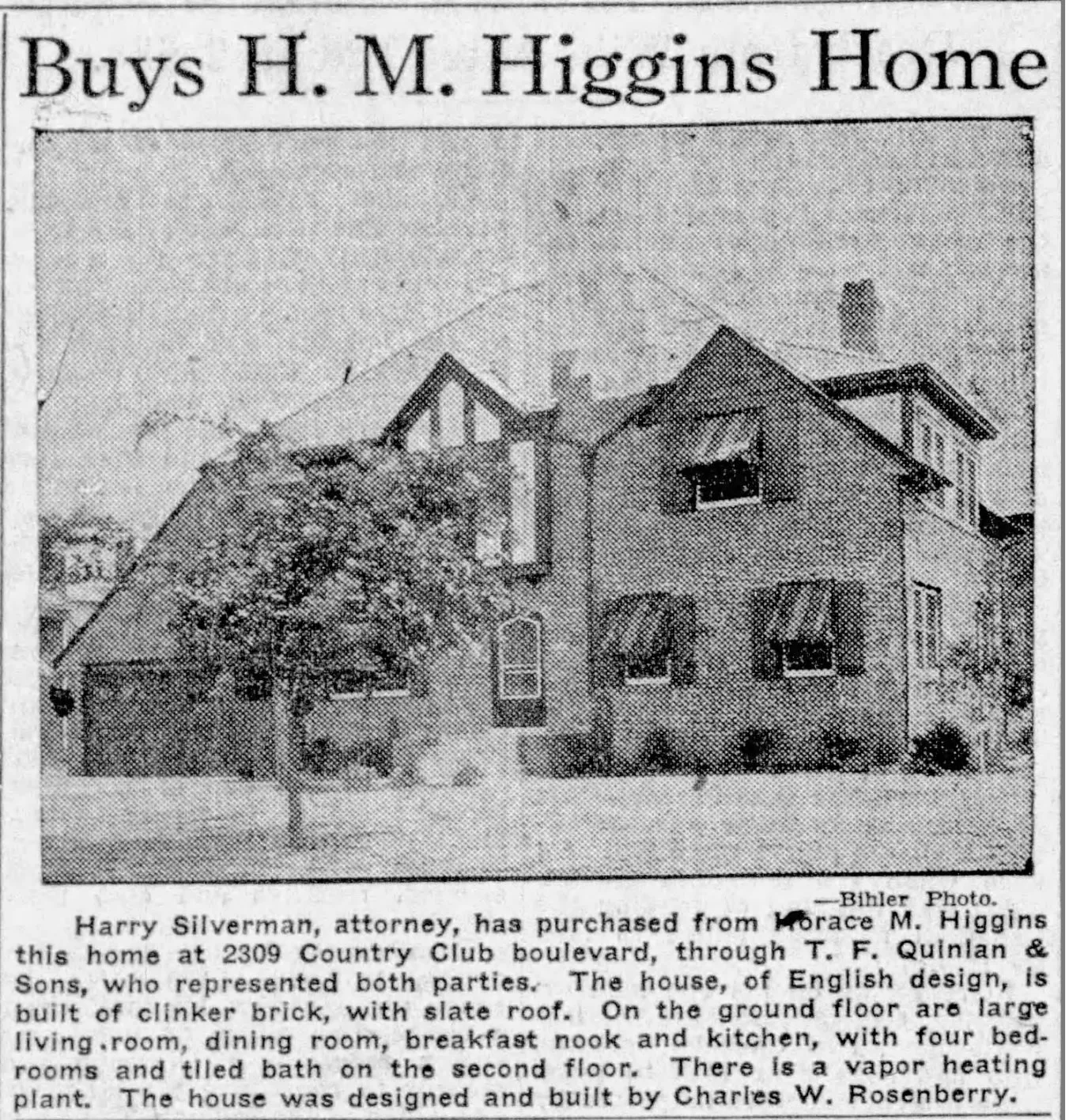
That summer, attorney Harry Silverman and his wife, Ann, purchased the home. A July 1929 Omaha World-Herald feature described it as an English-style clinker brick house with a slate roof, spacious living and dining rooms, breakfast nook and kitchen, four bedrooms, and even a vapor heating system—modern for its day.
The Silverman family made the house a true home. Their children grew up here, attending Temple Israel, and even small moments of daily life made the newspaper—like a daughter learning her Passover questions in the early 1930s.
Mrs. Silverman’s parents, Fannie and Samuel Levey, lived here as well, adding to the home’s sense of warmth and activity.
By the 1940s, the house reflected both continuity and change. It was advertised in 1943 for $12,500, now with additional bathrooms—evidence of how these homes evolved with their owners.
In the late 1940s, Joseph and Adele Hornstein purchased the property. Joseph was an officer at Maypers department store downtown, and under their ownership, the home continued to grow—including a garage addition in 1949.
The Hornstein years also brought one of the home’s most charming stories. In 1951, their 11-year-old son Bennett and his neighbor, Howard Kooper, staged a full magic show in the driveway—complete with costumes, dancers, and homemade concessions—raising $60.25 for Children’s Hospital.
By 1957, the home passed to William V. and Virginia Bell, and once again became a hub of community life.
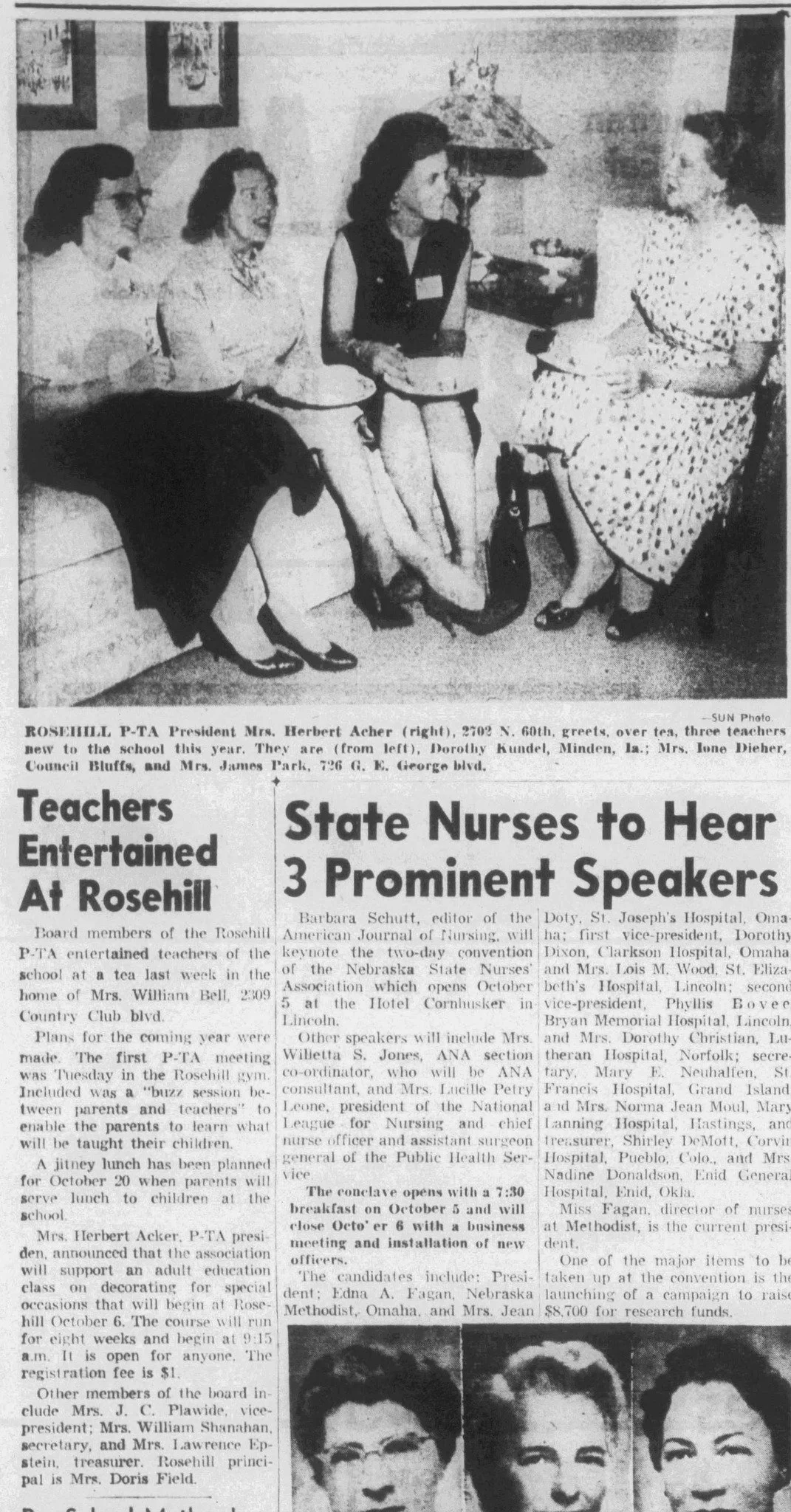
Virginia Bell, a Rose Hill Elementary PTA leader, frequently entertained in the home—hosting teas, gatherings, and events that brought neighbors and educators together. Inside, the home reflected both elegance and purpose, serving as a place where community connections were built and strengthened.
Sebron M. Haley Jr. and his wife Rosemary bought the home in 1962. Sebron was an aeronautical engineer at Strategic Air Command. Rosemary was a proud Texan earning two masters degrees at UNO and staying active in the Dundee Presbyterian Church. In 1991 they completed a remodel.
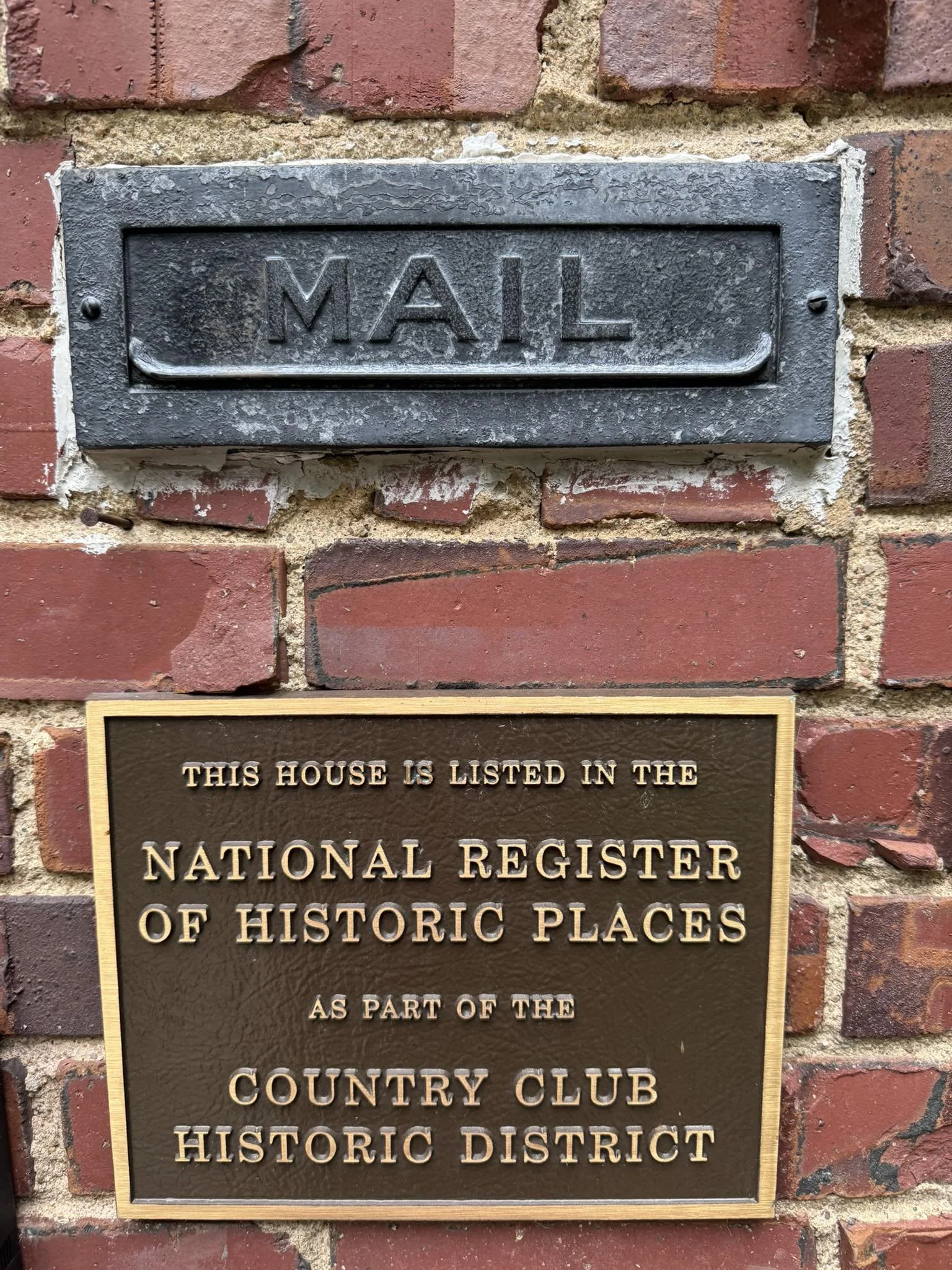
Through each chapter, the house adapted—but never lost its original character. The current owners bought the home in 2021 and said it was "love at first sight of the mail slot." They continue to be good stewards of the home's history while maintaining it well for generations to come.
Nearly a century later, 2309 Country Club Avenue still reflects that vision. Its steep rooflines, clinker brick, and storybook detailing remain—quiet reminders of the architect who designed it and the families who brought it to life.