
Story #44: 2321 Country Club Avenue (Built 1929)
Most Country Club history stories focus on the houses. But what about the people who lived in them?
Built in 1929, 2321 Country Club Avenue was originally owned by Arleon E. Spellman, an accountant who lived in Omaha for more than 20 years. He and his wife, Frieda (Bellman) Spellman, married in 1918 after Arleon enlisted in the military the previous year. In 1928, he purchased the property on the southeast corner of Lake Street and Country Club Avenue for $2,500.
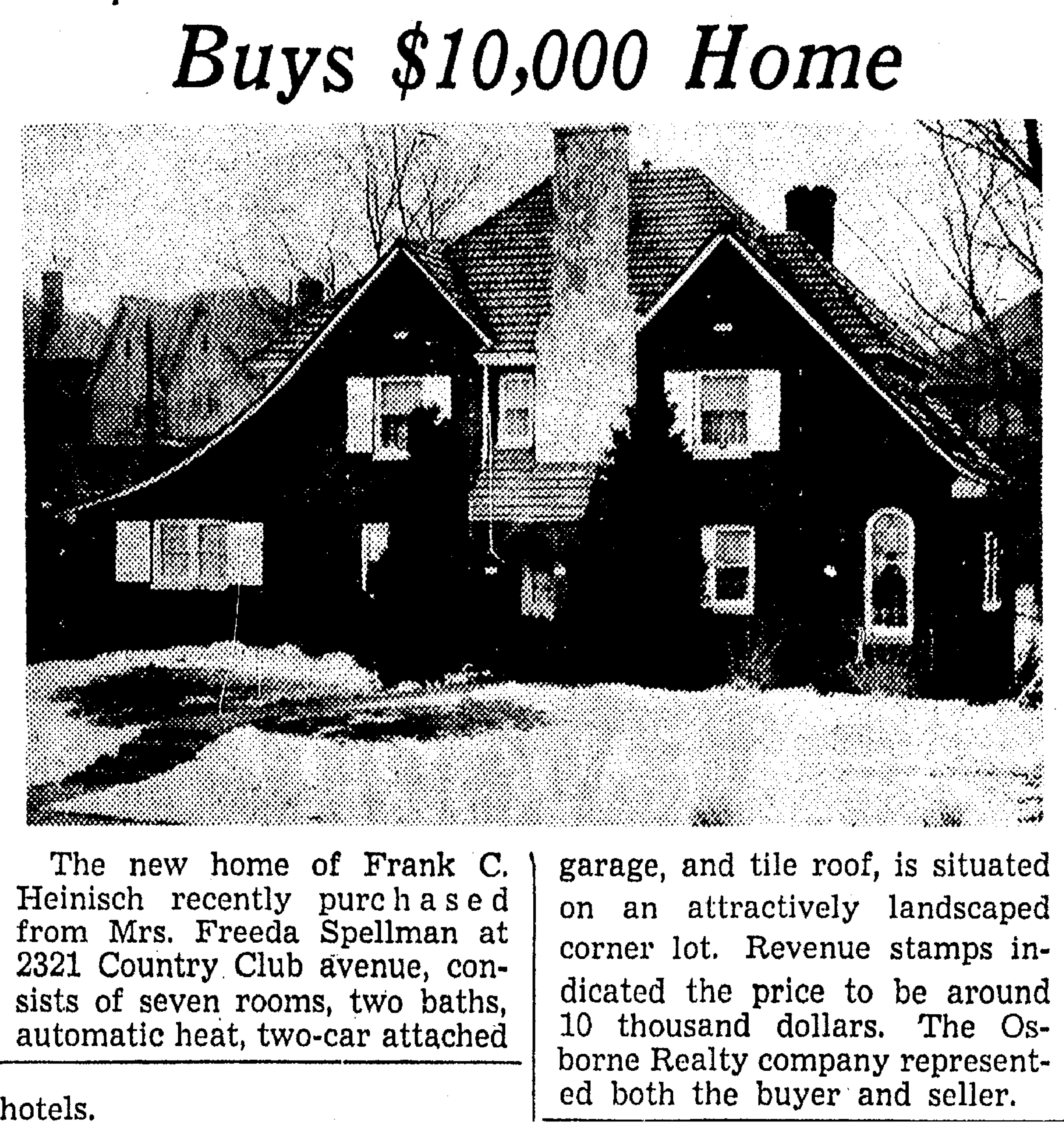
The home's second owner, Frank C. Heinisch, purchased the corner-lot residence in 1943 from Frieda Spellman for $10,000. While maintaining an active law practice, Heinisch became the consummate public servant. He served as longtime executive secretary of the Omaha Education Association (OEA), an early member and secretary of the National Conference of Christians and Jews, a member of the State Board of Education, a regent of the University of Omaha, and a member of its site committee. He was also active in numerous civic and social organizations throughout Omaha.
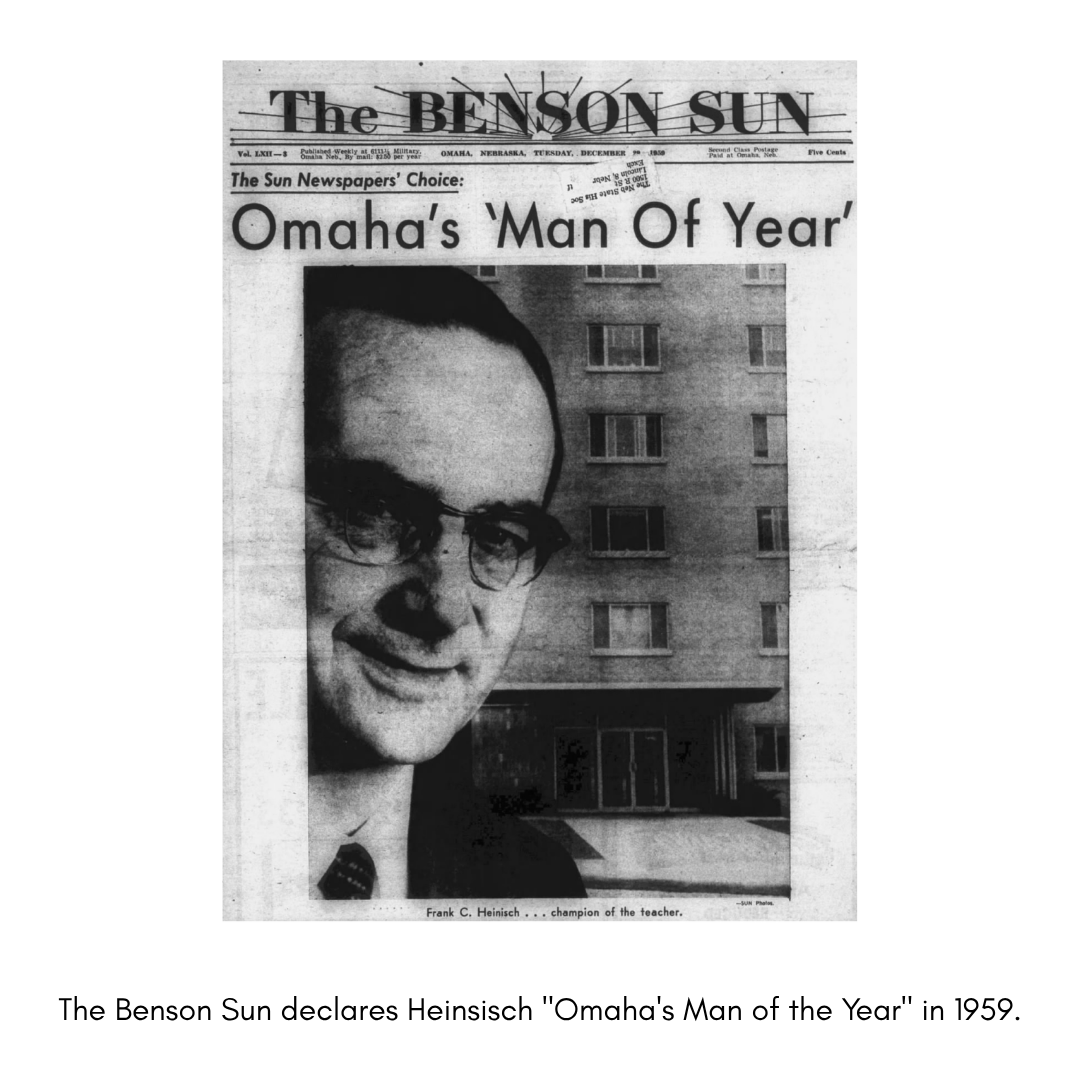
In 1959, Heinisch was named “Omaha’s Man of the Year” by the Benson Sun newspaper for his efforts to provide affordable housing for Omaha teachers. The innovative OEA Apartments at 39th and Dodge, a 12-story, 72-unit building for active shareholder teachers, opened in 1953. It was followed in 1956 by the completion of the 132-unit OEA Manor at 22nd and Chicago for retired shareholder teachers.
His advocacy for older adults and vulnerable populations continued. In 1962, serving as attorney for the Masons, Heinisch helped secure what was then the largest mortgage loan in Nebraska—$4.9 million—for construction of the 21-story Masonic Manor (now Elmwood Tower) at 52nd and Leavenworth.
The home also played a role in one of Omaha’s important preservation battles. In 1949, 2321 Country Club Avenue was the site of a meeting where citizens strategized how to keep Krug Park dedicated to park and playground purposes rather than allow its redevelopment as a commercial enterprise proposed by Theodore W. Metcalfe. Heinisch served as attorney for the citizen group that appealed the case to the Nebraska Supreme Court. On Feb. 24, 1950, the court reversed the district court’s decision, ruling that Krug Park (now Gallagher Park) could only be used as originally intended—a community park. (See Story #45 for Details)
Heinisch’s civic involvement only seemed to increase during the 1960s, although some of it became controversial. He successfully petitioned to have his home assessed at 100 percent of its value for tax purposes. A proposal for another senior citizens’ home near Indian Hills was rejected. Heinisch also helped prepare a 1963 Citizens’ Report to Mayor James Dworak that was critical of the police chief and public safety director. In April 1964, he served as attorney for the “Mayor Recall Committee for Better Omaha Government,” although the group failed to gather enough signatures. A few months later, he became involved in a public dispute with District 2 Representative Glenn Cunningham over the selection of the University of Omaha’s president-elect.
It is impossible to know whether the combined stress of these public battles contributed to his heart attack and death on Sept. 21, 1964, at age 59.
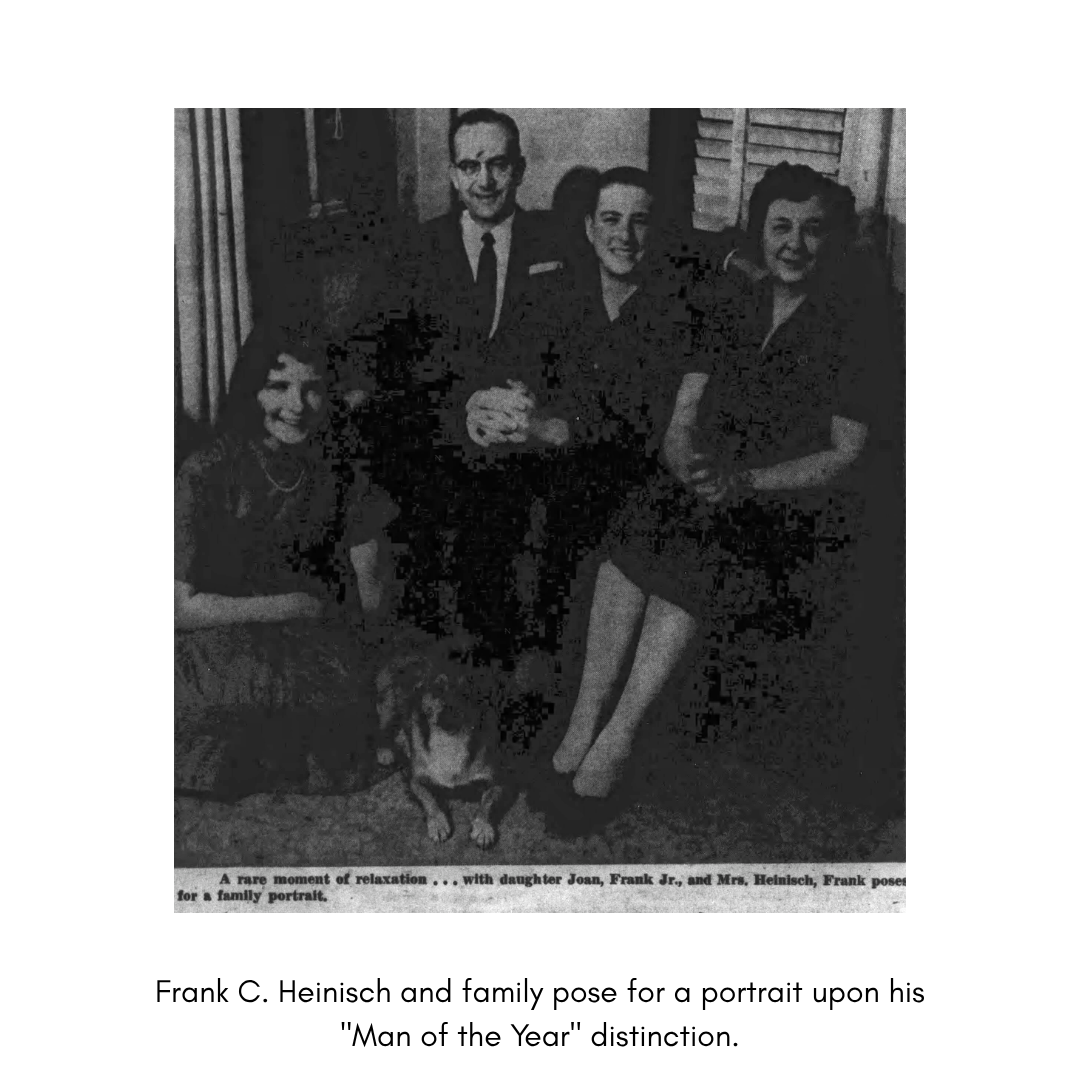
Mrs. Heinisch was also active in the community, serving as president of the Downtown Omaha Opti-Mrs. Club.
The current owners, LeRoy and Linda Lazure, have lived in the home since 1986. They have carefully preserved many of its historic features while making thoughtful updates with the assistance of 'Interiors by Joan'.
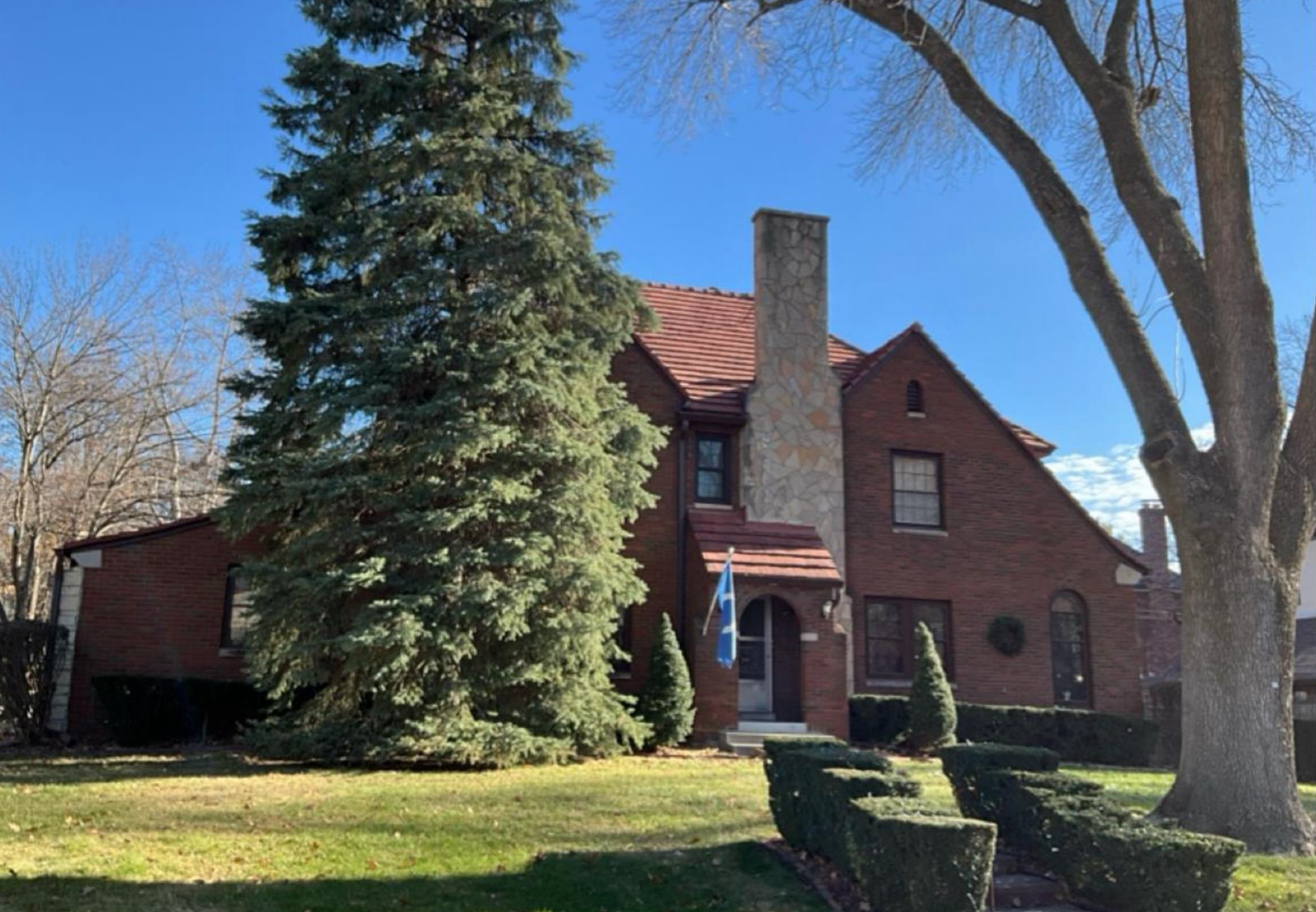
Although 2321 Country Club Avenue is not officially listed as a design by architect Charles W. Rosenberry, it closely resembles the other homes on the small enclave known as “Metcalfe Island.” The residence is a mirror image of the neighboring houses and retains many original features, including fireplaces, narrow floorboards, wide baseboards, mahogany-colored woodwork, textured plaster walls, distinctive ceilings, multiple arches, a galley kitchen, a tile roof and a two-car garage.
Over the years, the surrounding homes have undergone varying degrees of renovation. Today, only one other home in the group still retains its original Country Club tile roof.
While the house remains an important part of Country Club's architectural story, it is the legacy of public service that makes 2321 Country Club Avenue especially memorable.
Captions:
Frank C. Heinisch buys 2321 Country Club Avenue for $10,000 as reported in the January 10, 1943 edition of the Omaha World Herald.
The Benson Sun declares Heinsisch "Omaha's Man of the Year" in 1959.
Frank C. Heinisch and family pose for a portrait upon his "Man of the Year" distinction.
Courtesy Douglas County Assessor website