
Story #45: The Fight to Save Krug Park
What if Gallagher Park had become apartment buildings?
It nearly did.
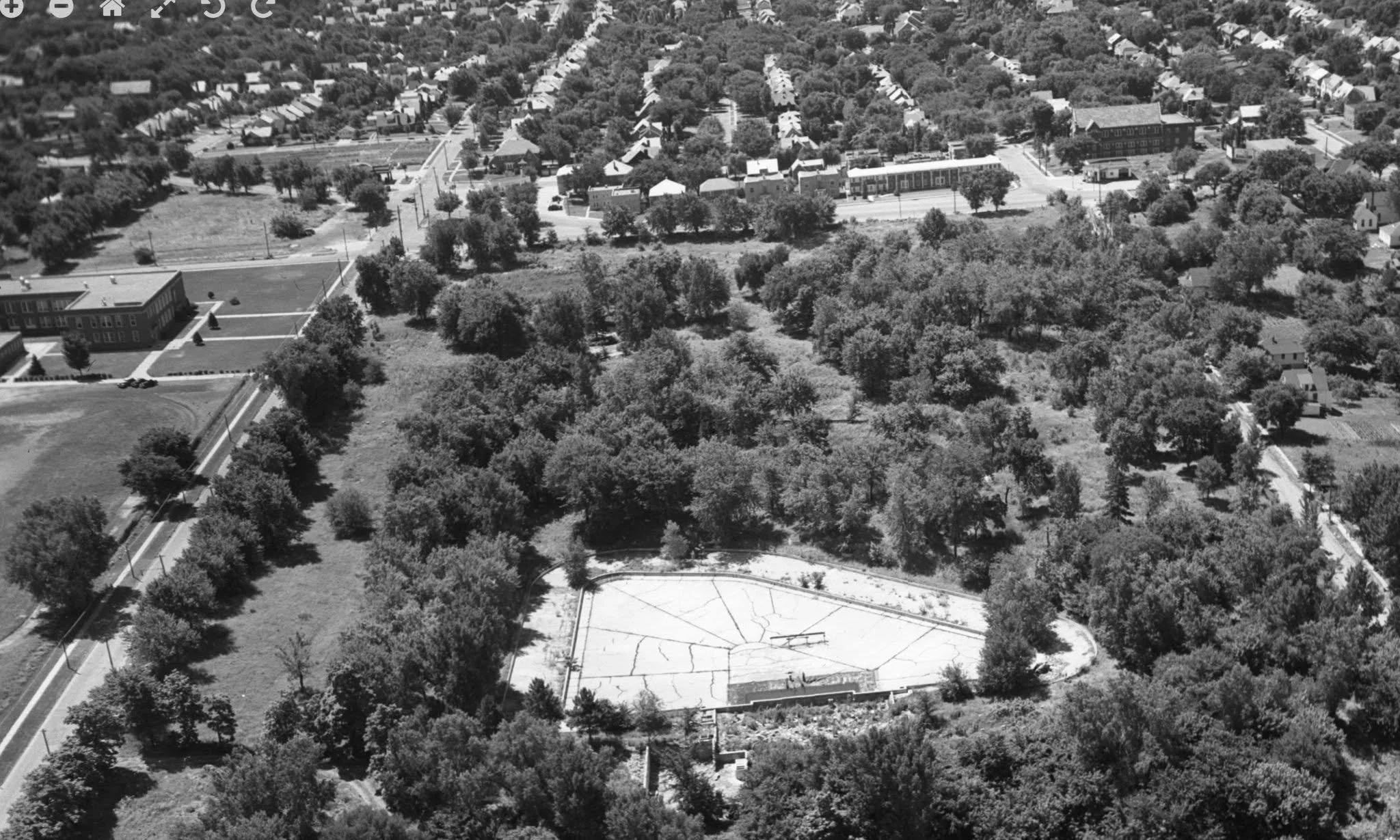
When Krug Park closed in 1940, the rides were removed, the swimming pool sat empty, and the once-popular amusement park became a vacant 20-acre tract at 52nd Street and Military Avenue. To many, it looked like prime real estate waiting for redevelopment.
And one Omaha developer had a plan.
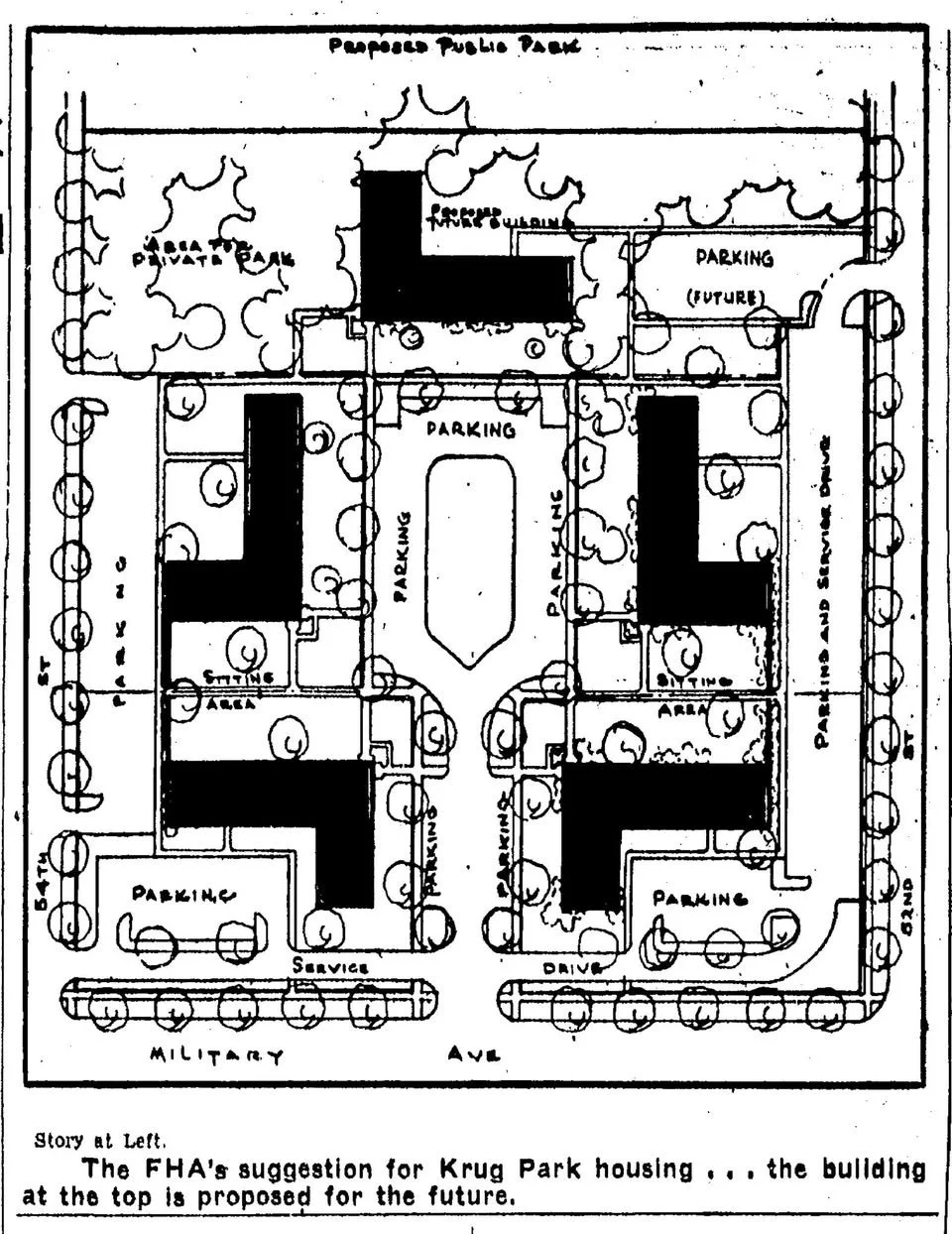
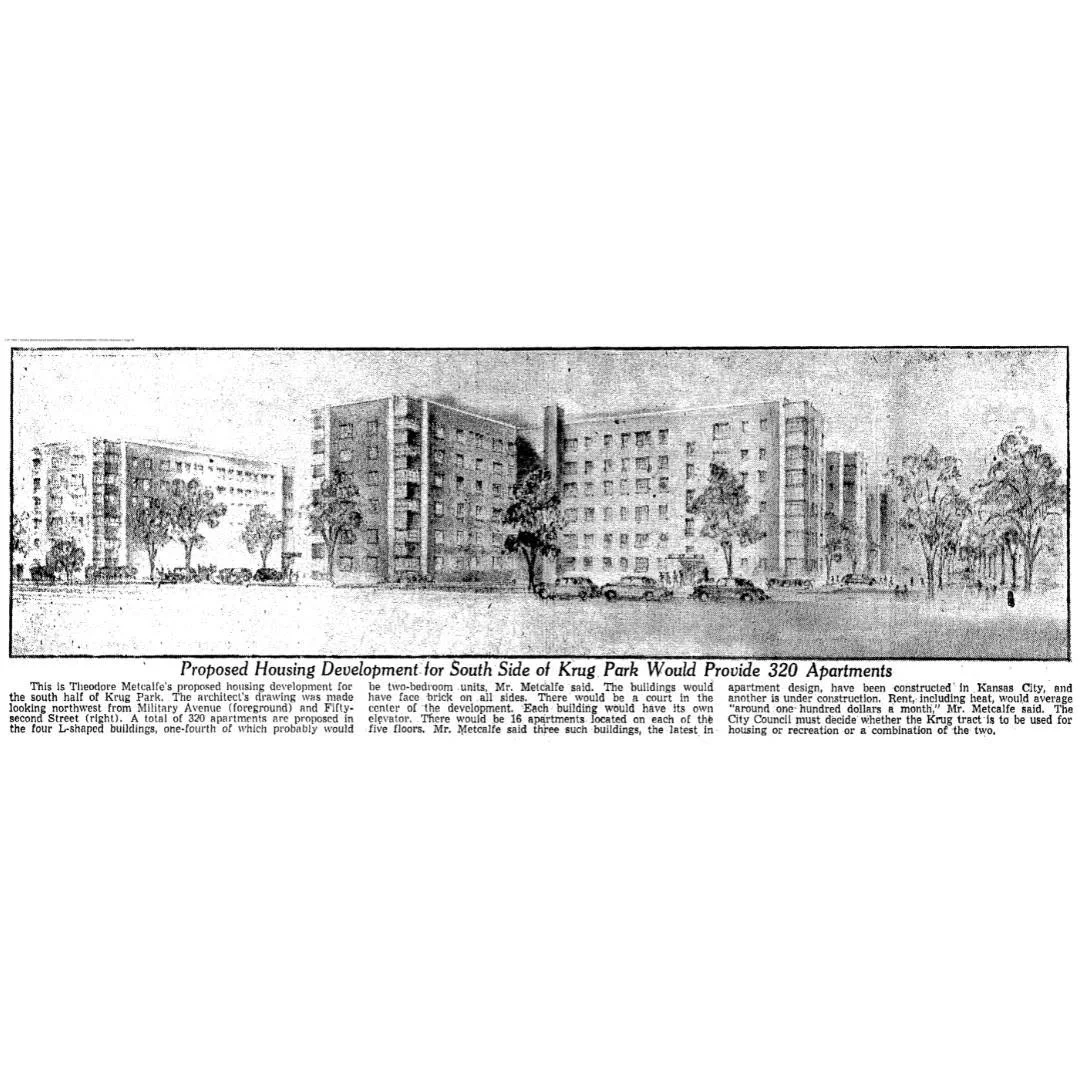
In 1945, Theodore Metcalfe secured an option to purchase the property and proposed a large apartment complex on the former amusement park grounds. By 1949, plans called for four multi-story apartment buildings containing more than 300 apartments. Renderings showed much of the old park transformed into housing.
But another group of Omahans had a different vision.
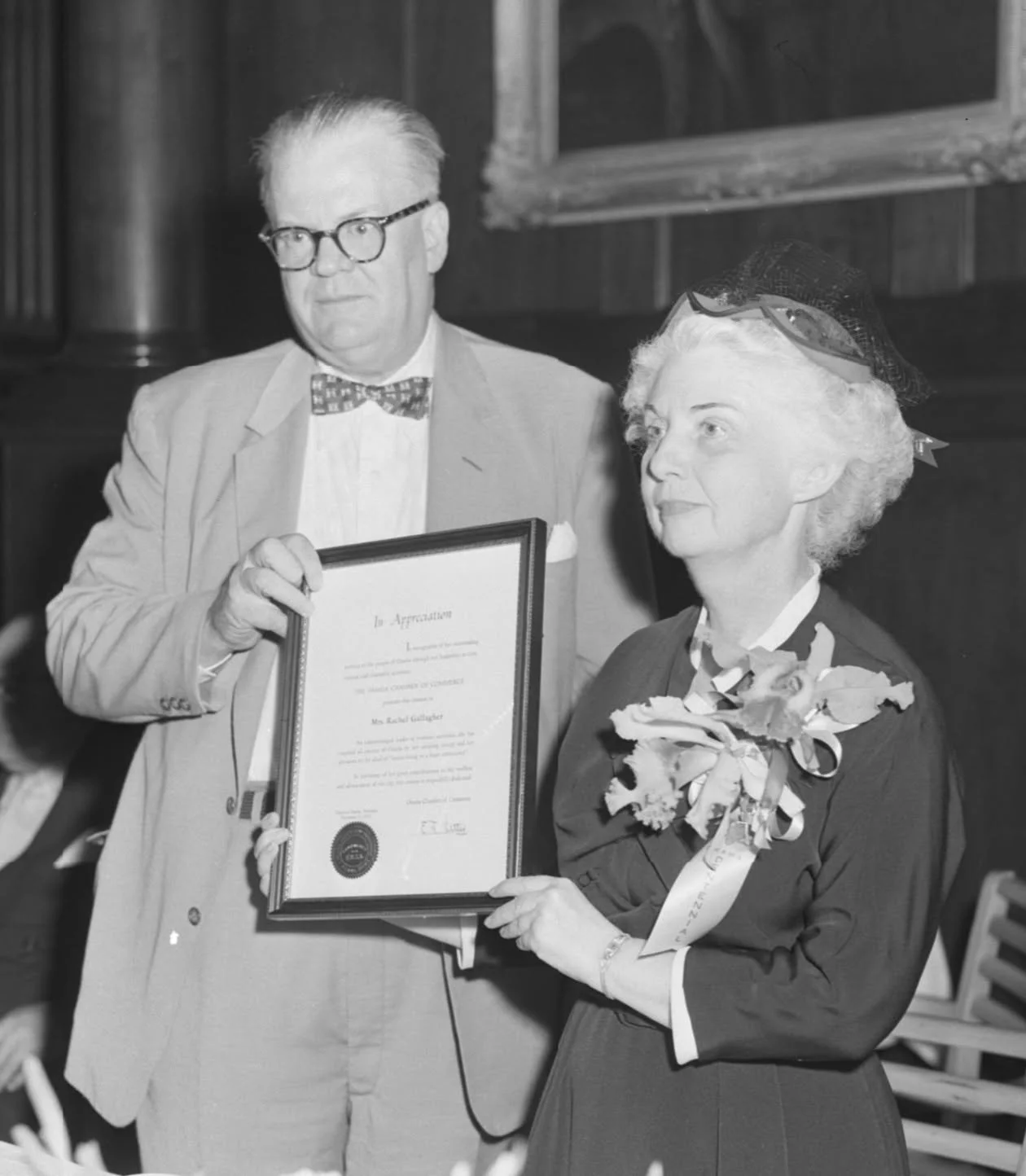
Among them was Rachel Gallagher, a prominent civic leader who believed northwest Omaha needed parks and recreational space more than another housing development. Working alongside neighborhood organizations, city planners and concerned citizens, she led a fundraising campaign to raise the $30,000 needed to purchase the property and donate it to the City of Omaha as public parkland. Through her efforts, thousands of dollars poured in from citizens and businesses determined to save the site.
The fight, however, was far from over.
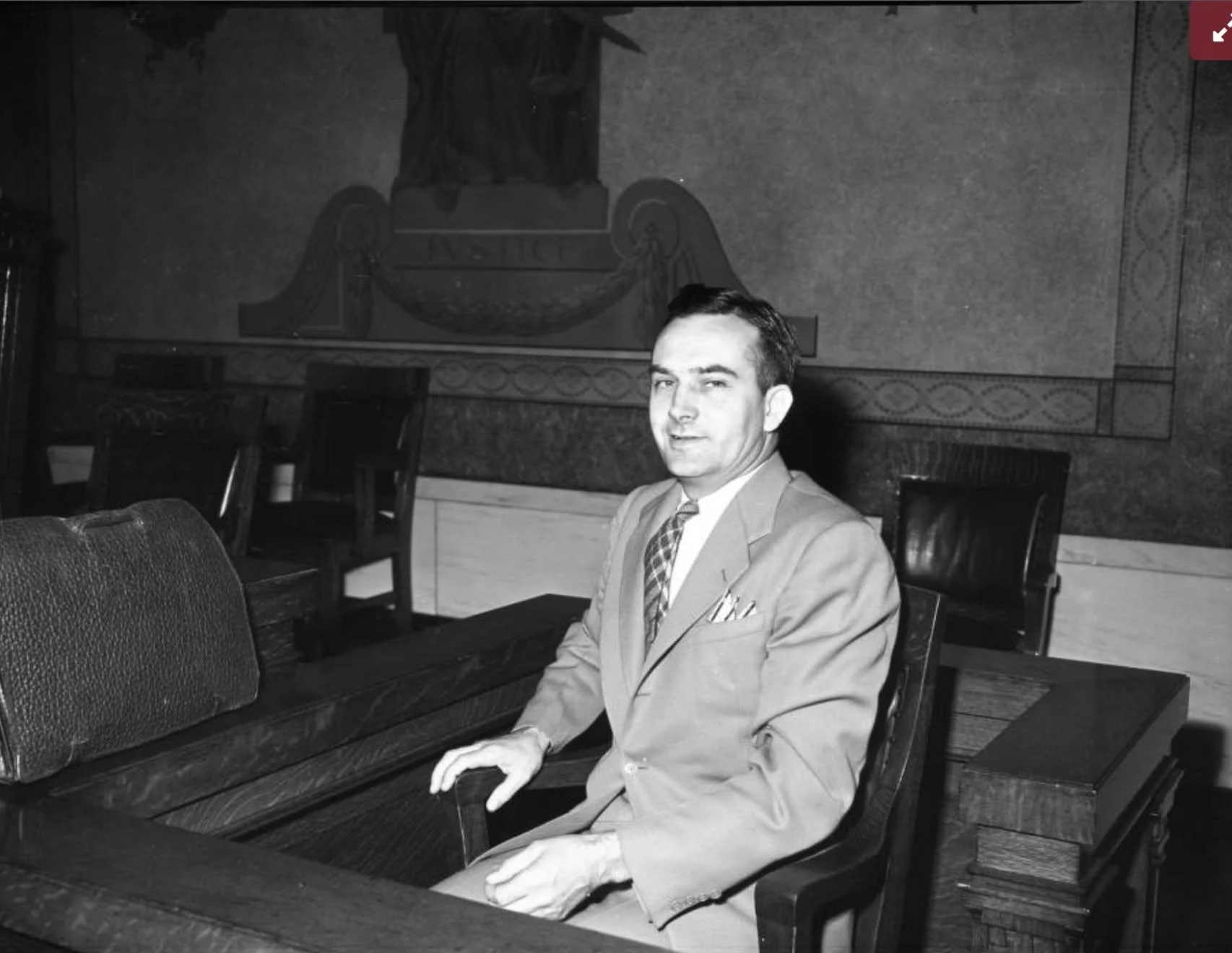
Years of legal battles followed as Metcalfe sought to regain the property and move forward with development. One of the most determined defenders of the park was Omaha attorney and Country Club resident Frank C. Heinisch (see Story 44), who represented the citizens working to preserve the land for public use. The dispute eventually reached the Nebraska Supreme Court.
In 1950, the court delivered a landmark ruling: because the land had been donated to the city specifically for park and playground purposes, it could not be converted to another use. The city was required to keep it as parkland.
That decision changed the future of this corner of Omaha.
Instead of rows of apartment buildings, generations of families have enjoyed a swimming pool, playground, sports fields, and community gatherings. In 1955, the park was officially dedicated as Rachel K. Gallagher Park in recognition of the woman whose leadership helped save it.
Today, as residents enjoy the park's recent renovation, it is worth remembering that this green space did not survive by accident. It exists because a group of determined citizens—including Rachel Gallagher and Frank Heinisch—believed some places were too important to lose.
Sometimes preserving history means saving a buildi
Captions:
This drawing represents the Krug Park plan as it appeared in the April 10, 1949 edition of the Omaha World Herald.
Theodore Metcalfe's proposed Krug Park housing complex. Courtesy Omaha World Herald, March 27, 1949.
1947 Aerial of a closed Krug Park, looking South. Benson High School on the left. Photo courtesy the Durham Museum Archives.
Photo of Frank Heinisch in taken in 1943. From The Durham Museum Archives.