
Blog
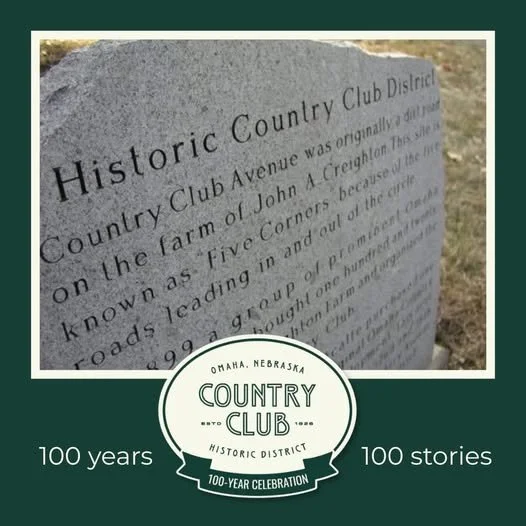
In 2026, we’re celebrating 100 years of the Country Club Neighborhood - one of Omaha’s most distinctive residential areas, known for its winding streets, mature trees and remarkable homes. Throughout the year, this blog will be home to 100 stories from our neighborhood — celebrating the people, places, architecture, and memories that shaped it into the community we call home. Follow along as we explore how a golf course became a neighborhood, and how history still lives on our streets.
Have a story or photo to share? We’d love to hear from you: council@countryclubhd.org

Story #64: Silent Witness - A Guest Post by Graham Herbst, Nebraska Forest Service
Trees are silent witnesses to the movement of our lives. They are there when we learn to swing on the playground. They hide us during games of tag until the streetlights turn on. When we take pictures for graduation and homecoming, they are behind us with arms outstretched like parents and siblings, blooming brightly for the camera.
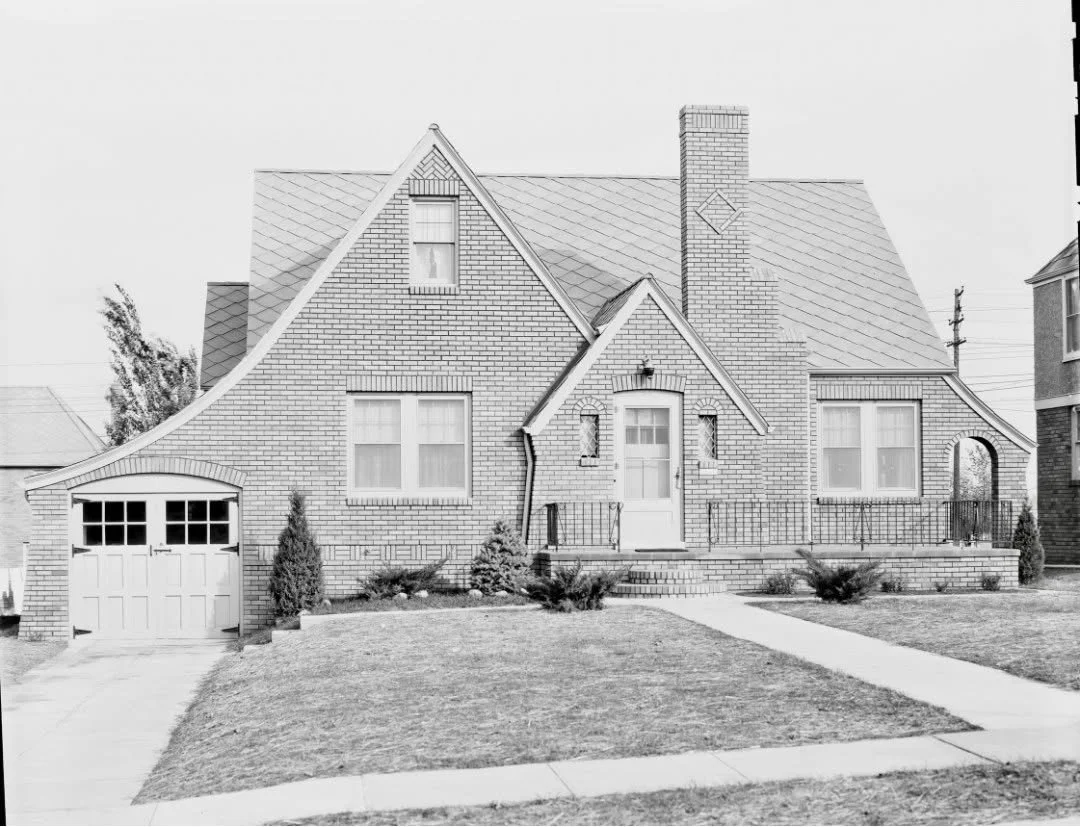
Story #63: Nathan Dewell Home Picture - 2011 N. 53rd St.
On Sept. 14, 1934, Robert P. Moore took ownership of 2011 North 53rd St., a classic two-story Tudor-style home. What brought the Moore family to Country Club neighborhood? American Telephone and Telegraph.
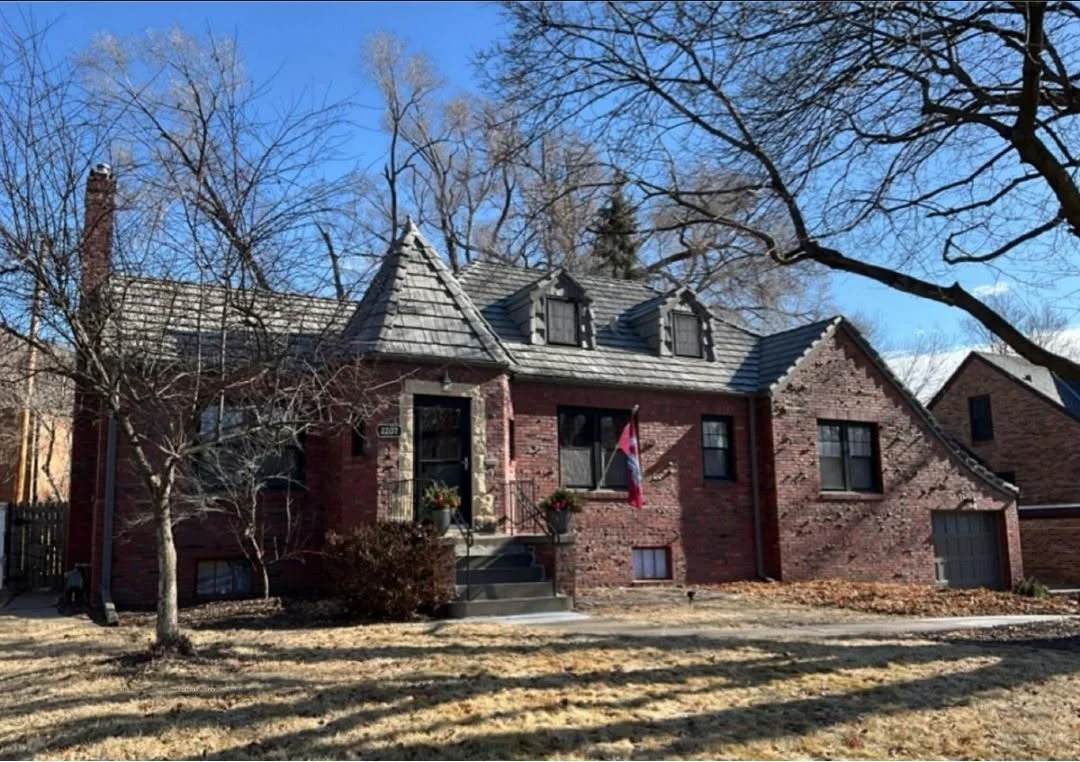
Story #62: - Oscar T. Bowles – Architect
In the early 1930s, architect Oscar T. Bowles made a name for himself in Omaha’s neighborhoods including Country Club, Happy Hollow, Fairacres and Westside
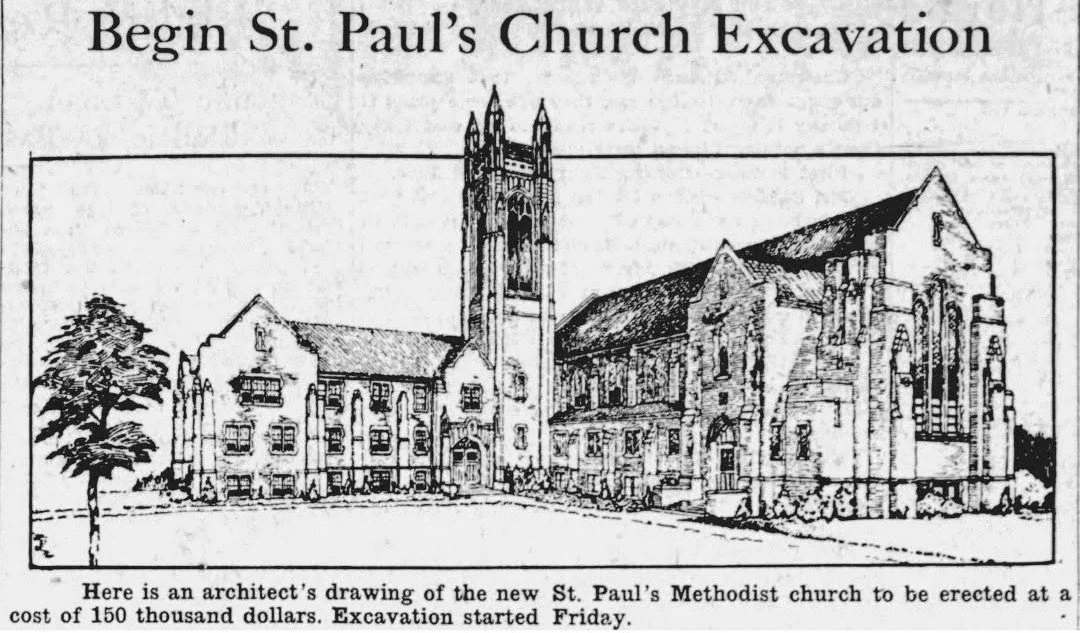
Story 61: St. Paul’s United Methodist Church
At 5410 Corby St. stands the largest building in the Country Club Historic District, and the only religious structure within the boundary of the original Country Club plat: St. Paul’s United Methodist Church.
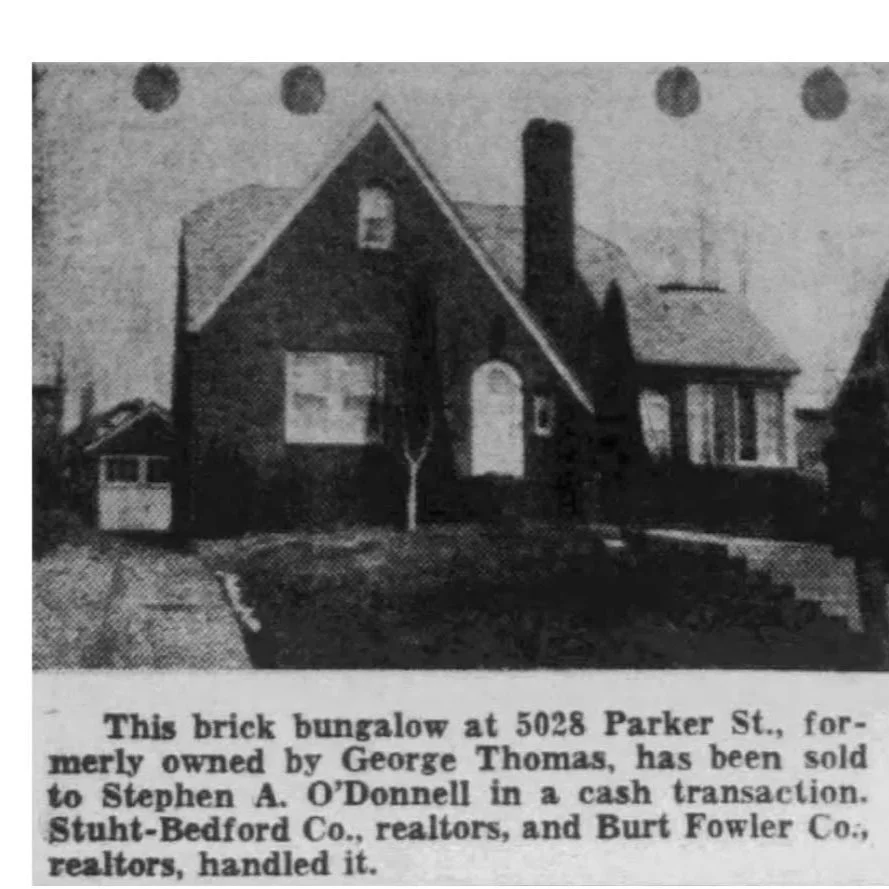
Story #60: 5028 Parker St. - A “Clever Brick Bungalow”
What did a thoroughly modern home look like in 1930? At 5028 Parker Street, it featured a “model kitchen,” extra-large rooms, a side porch, a brick garage—and, as builder J. Louis Campbell advertised, “a gas furnace if you wish.
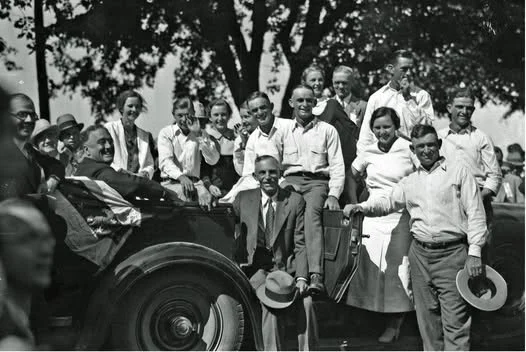
Story #59: When a Future President Came Through the Country Club Neighborhood
In September 1932, New York Governor Franklin D. Roosevelt brought his presidential campaign to Douglas County.
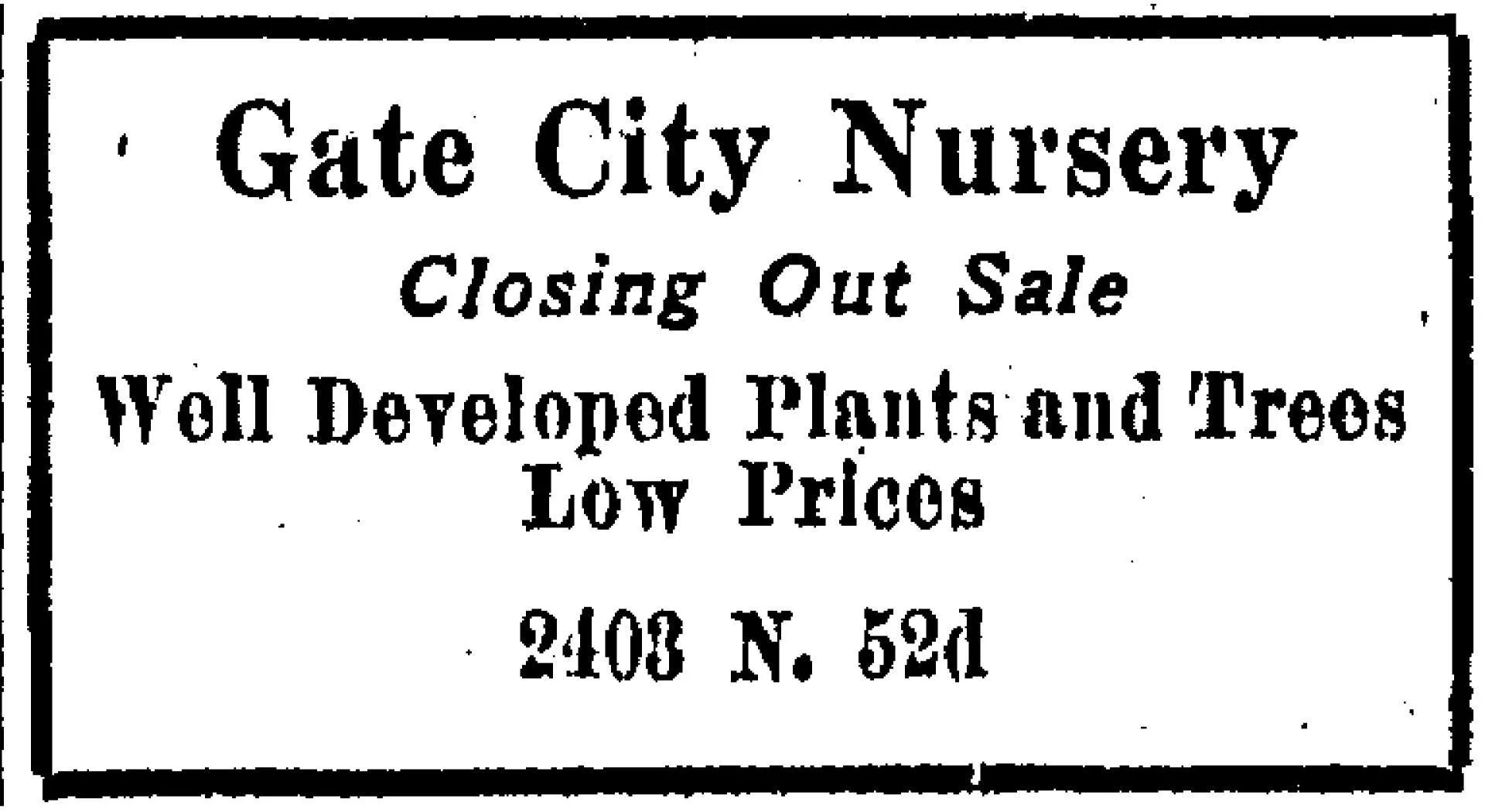
Story #58: Was This House Once Part of Gate City Nursery?
Recently, a former Country Club resident reached out with this memory: "When I was young our next-door neighbor talked about his home being the original farmhouse for Gate City Nursery. She also mentioned a creek that ran through the lower part of Erskine Street near Jack Payne's house."
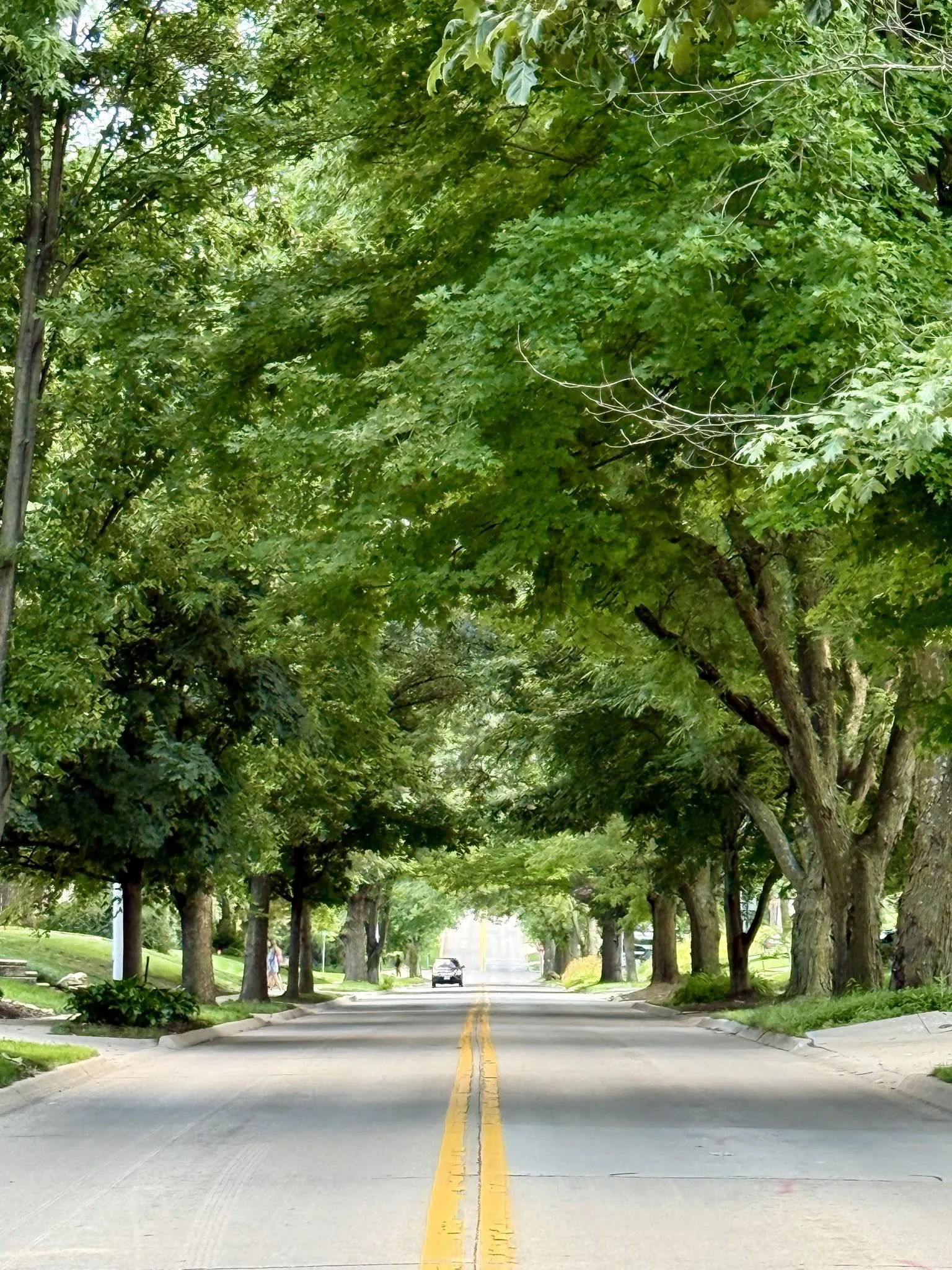
Story #57: The Trees That Define Country Club
Few things define the Country Club Neighborhood more than its magnificent tree canopy. Long before many of today's trees reached their impressive size, the Metcalfe Company understood that mature trees would be just as important to the neighborhood's identity as its beautiful homes.
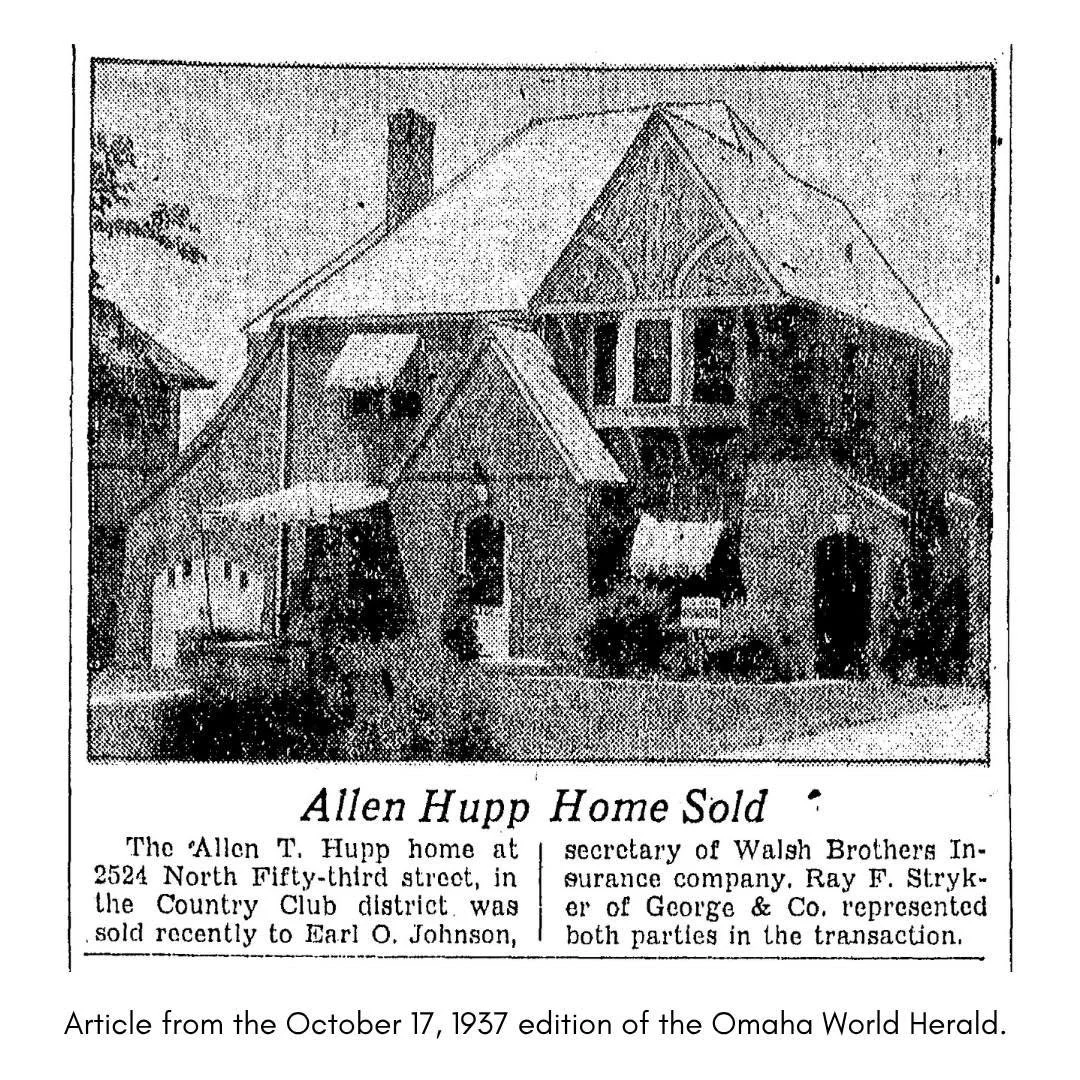
Story #56: 2524 N. 53rd Street (1929)A Home Built to Last... and Loved by Every Generation
One of the joys of researching Country Club's first 100 years is discovering homes that have been cherished by each generation of owners. 2524 N. 53rd Street is one of those homes.
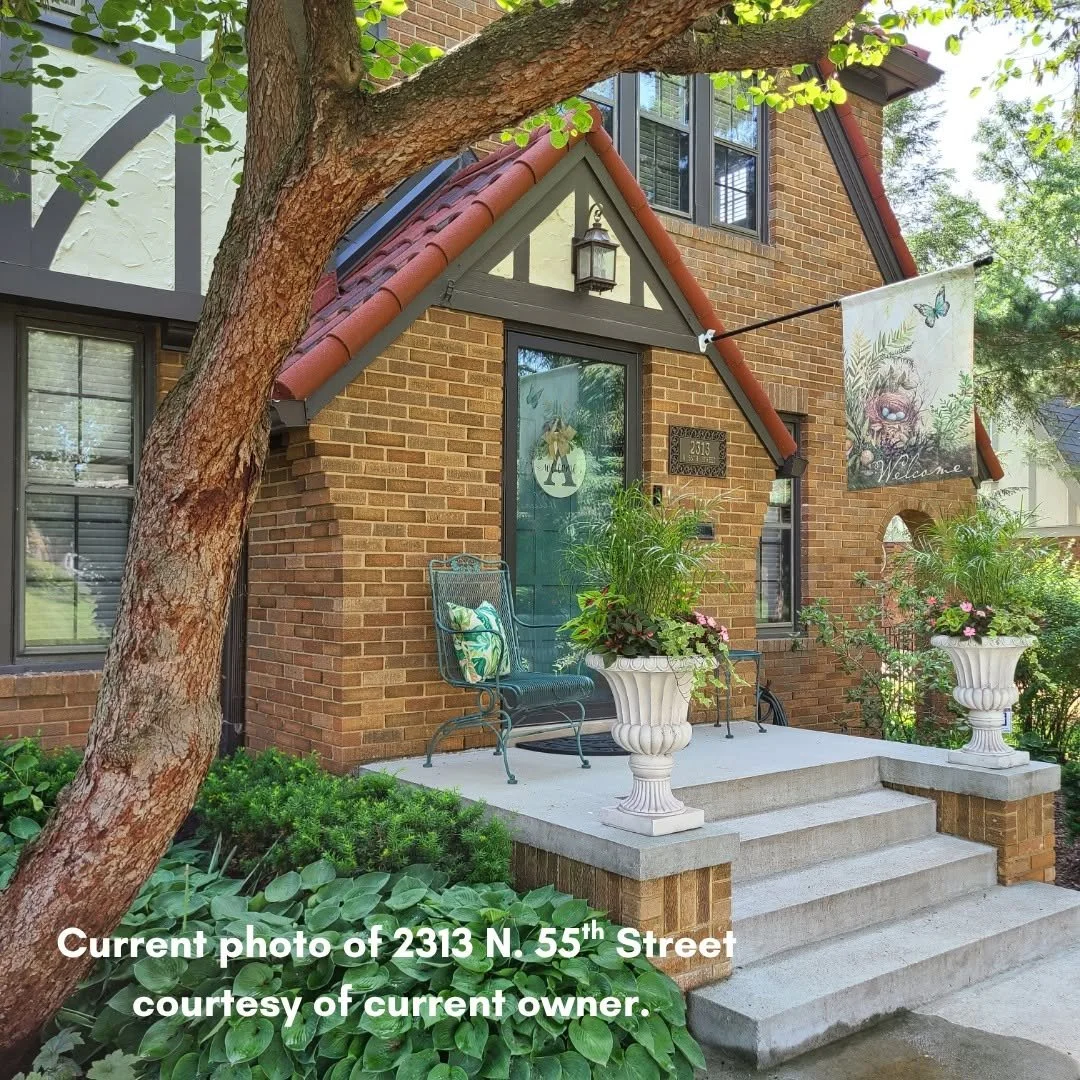
Story #55: 2313 N. 55th Street (1928) - A Home Worth Staying In
Some houses tell their story through famous owners or dramatic events. Others tell it through the people who simply loved living there.
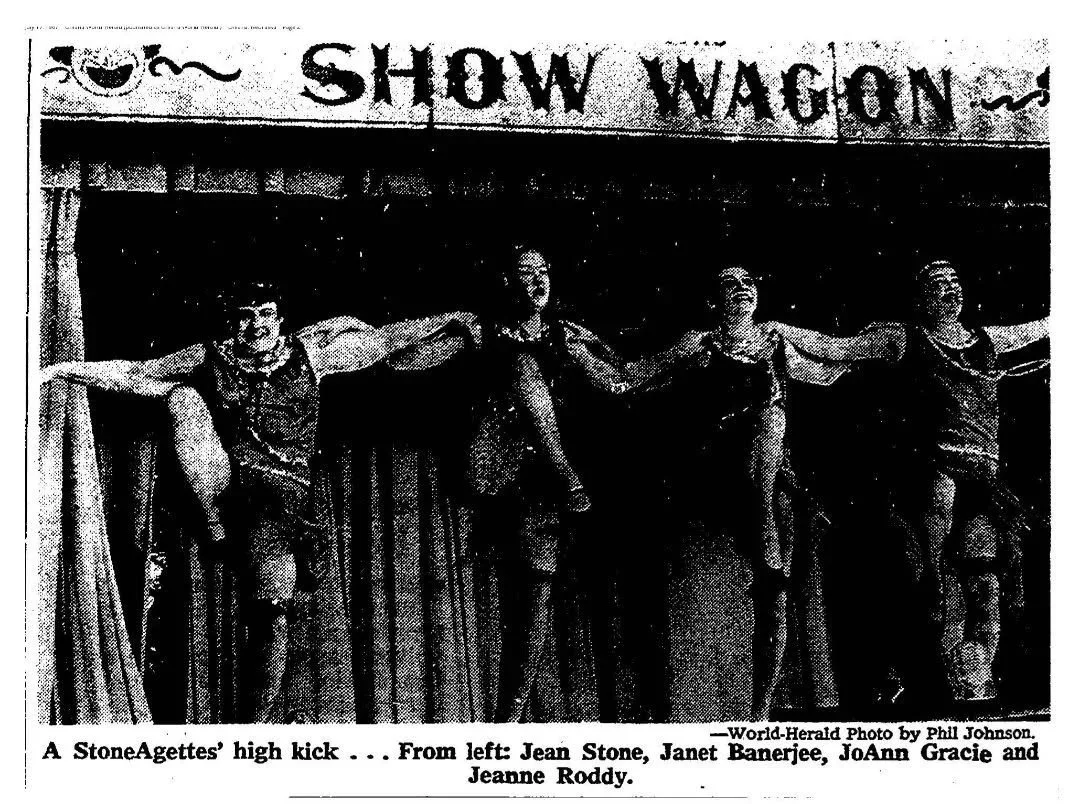
Story #54: Jeanne Roddy and the House Where Country Club Kids Learned to Danc
Long before dance competitions and studio drop-offs, Country Club kids were heading to one house just east of the neighborhood to learn their steps.
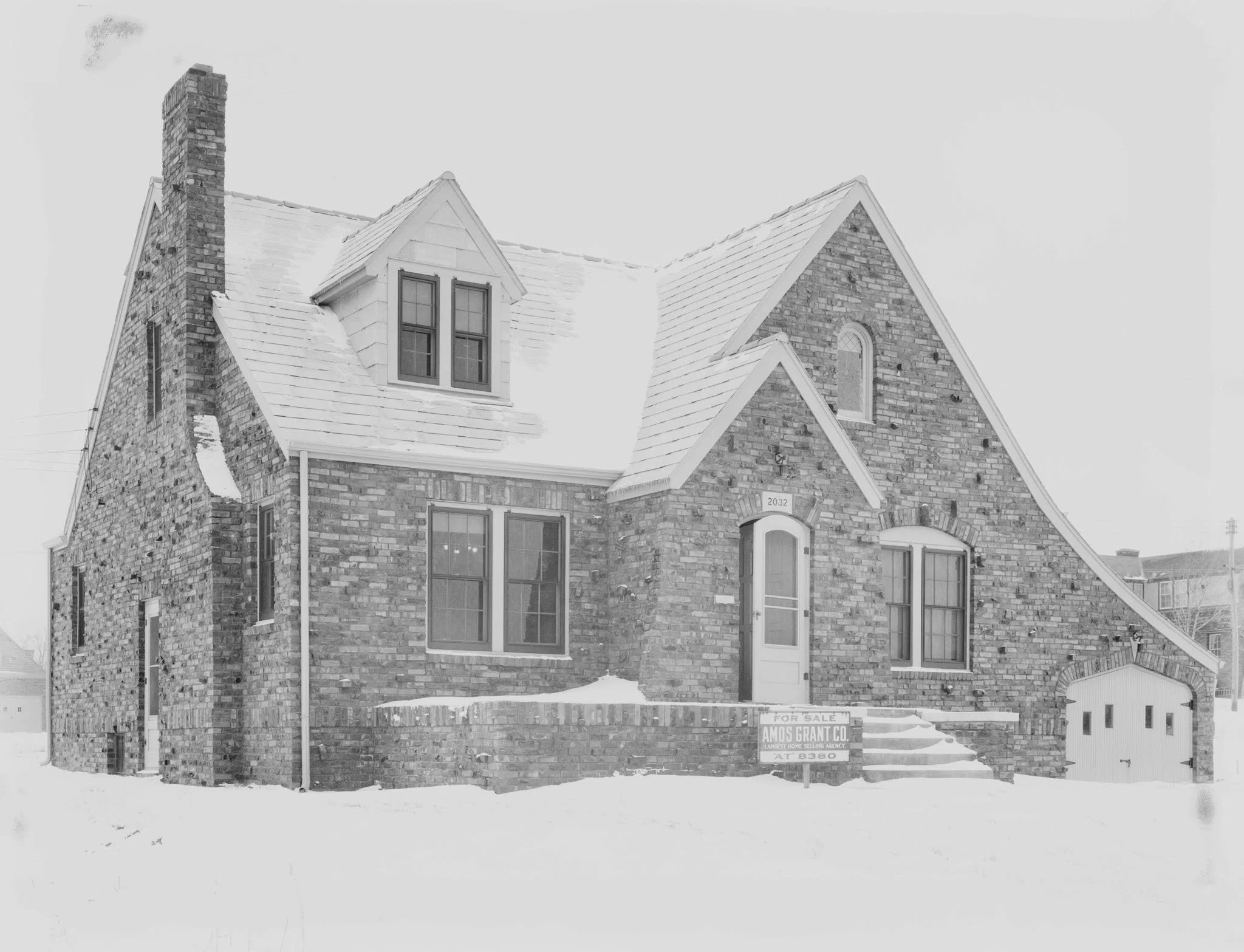
Story #53: Nathaniel L. Dewell - Early Pictures of Country Club Homes, continued
More images from Nathaniel L. Dewell, a commercial photographer who worked almost exclusively in Omaha, Nebraska, from the 1910s until 1940.
Story #52: August and Anna Julien: A Husband-and-Wife Building Team in Country Club
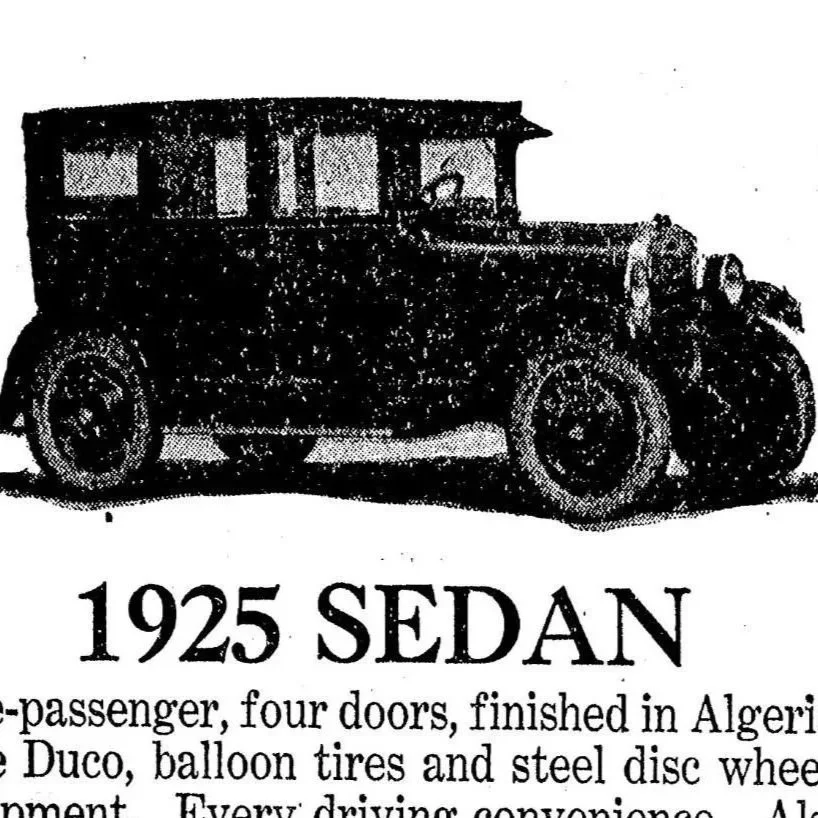
Not every Country Club builder came out of the construction trades. Some arrived by way of the automobile business. During the 1930s, August and Anna Julien became one of the more intriguing husband-and-wife building teams working in the Country Club neighborhood, constructing at least 24 homes between 1932 and 1939.
Story #51: Nathaniel L. Dewell - Early Pictures of Country Club Homes, continued.
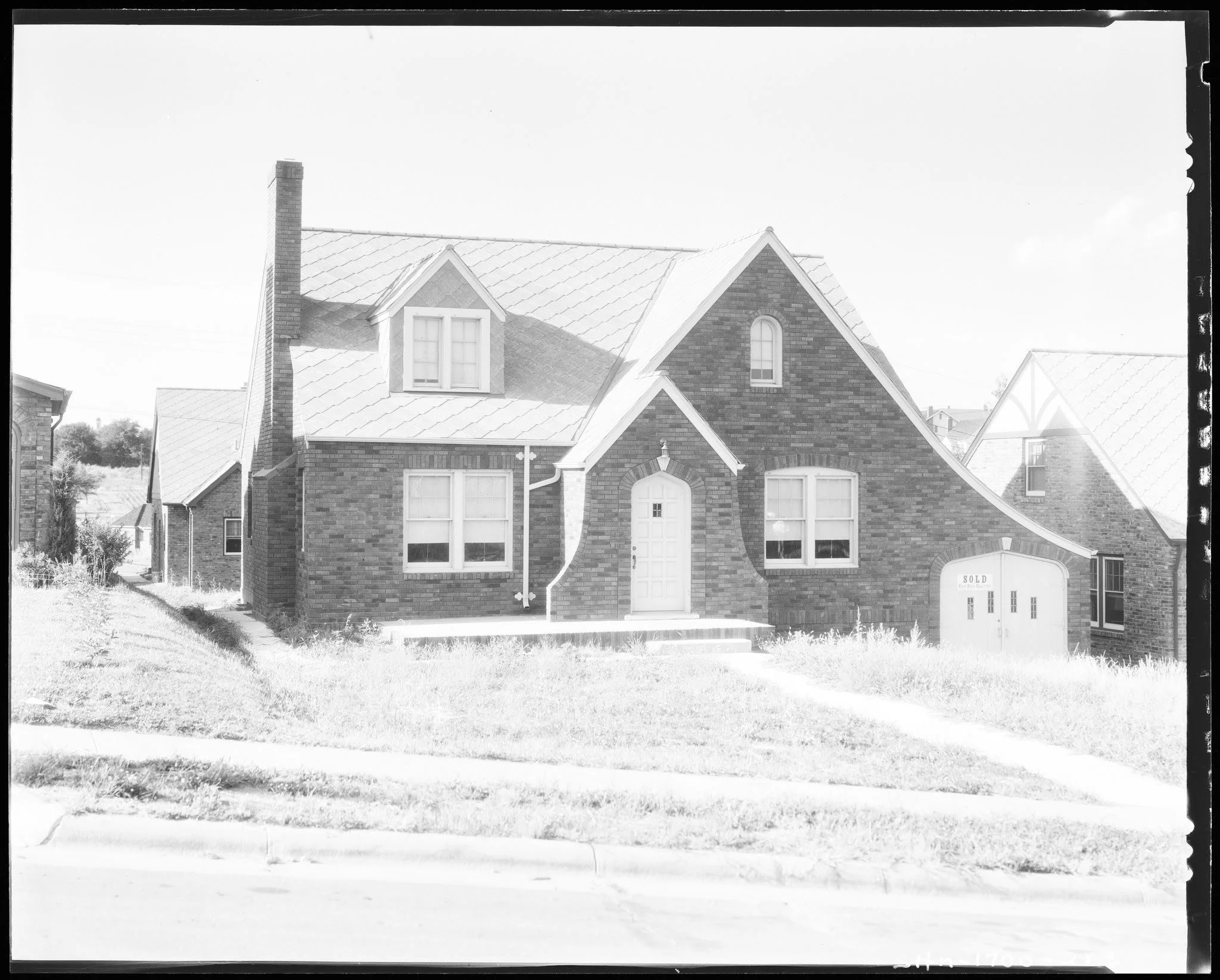
More images from Nathaniel L. Dewell, a commercial photographer who worked almost exclusively in Omaha, Nebraska, from the 1910s until 1940. From the late 1920s through 1940 he captured many newly built homes in the Country Club neighborhood.
Story #50: Bert Hene: The Architect Behind Some of Country Club's Earliest Homes
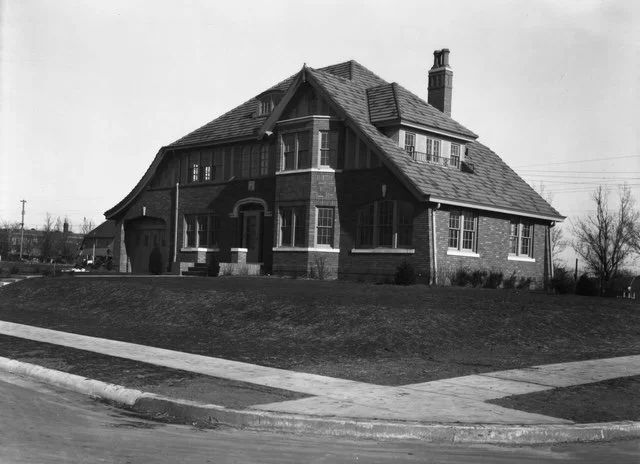
Not every architect who helped shape Omaha's most desirable neighborhoods became a household name. But Bert B. Hene probably should have.
Story #49: 2201 Country Club Avenue (1929)
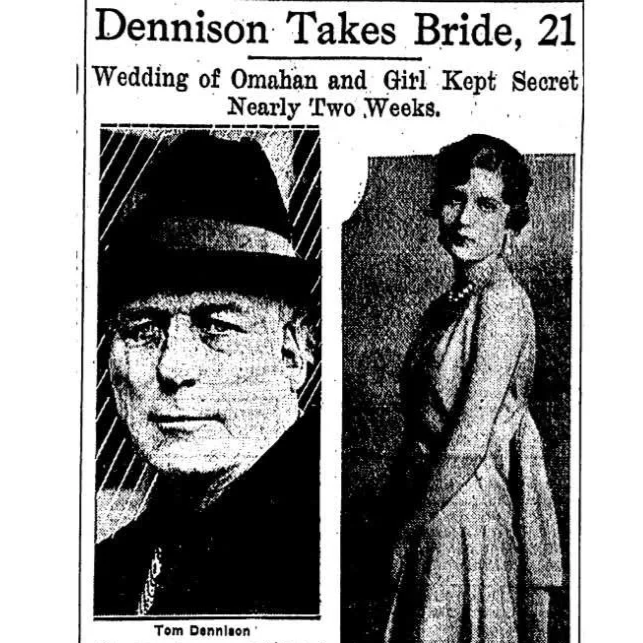
The Crime Boss Moves to Country Club. Some Country Club homes have fascinating architecture. Others have fascinating owners. 2201 Country Club Avenue had both.
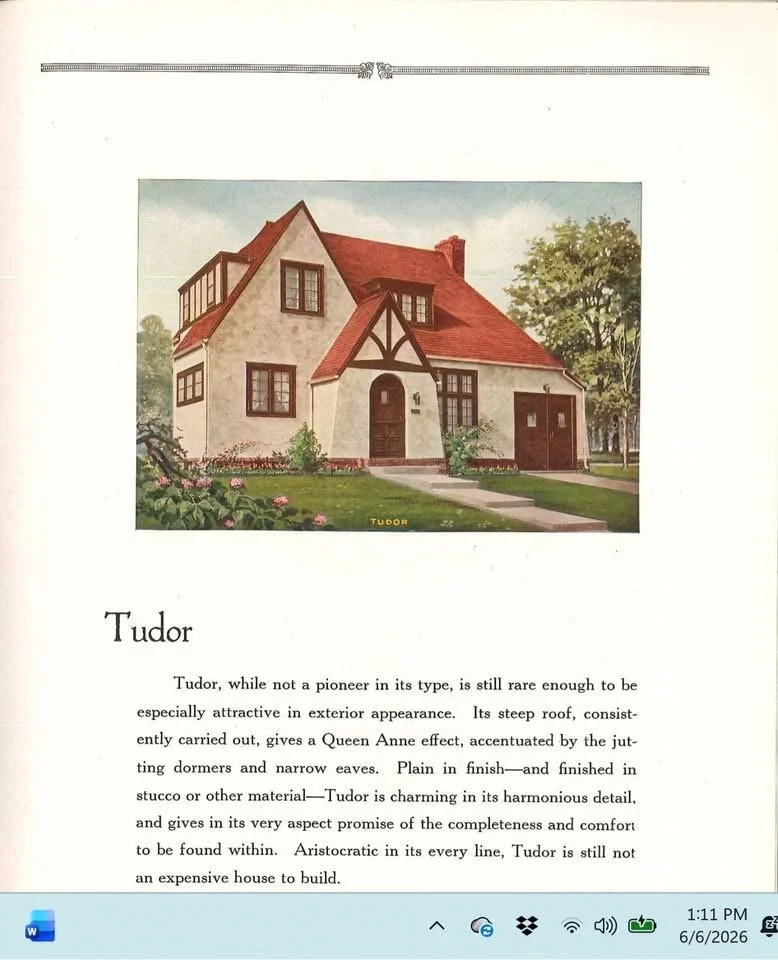
Story #48: 2535 N. 55th Street (1928)
The Everett S. Dodds Home. In 1927, Marvin A. and Geraldine E. Kohn obtained a building permit for a new Tudor-style home at 2535 N. 55th Street. The house was designed by architect Everett S. Dodds, with the Metcalfe Company serving as builder.
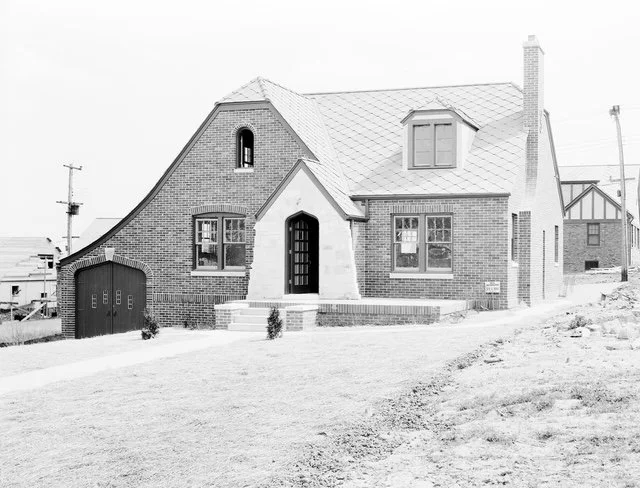
Story #47: Nathaniel L. Dewell - Early Pictures of Country Club Homes, continued.
More images from Nathaniel L. Dewell, a commercial photographer who worked almost exclusively in Omaha, Nebraska, from the 1910s until 1940. From the late 1920s through 1940 he captured many newly built homes in the Country Club neighborhood.
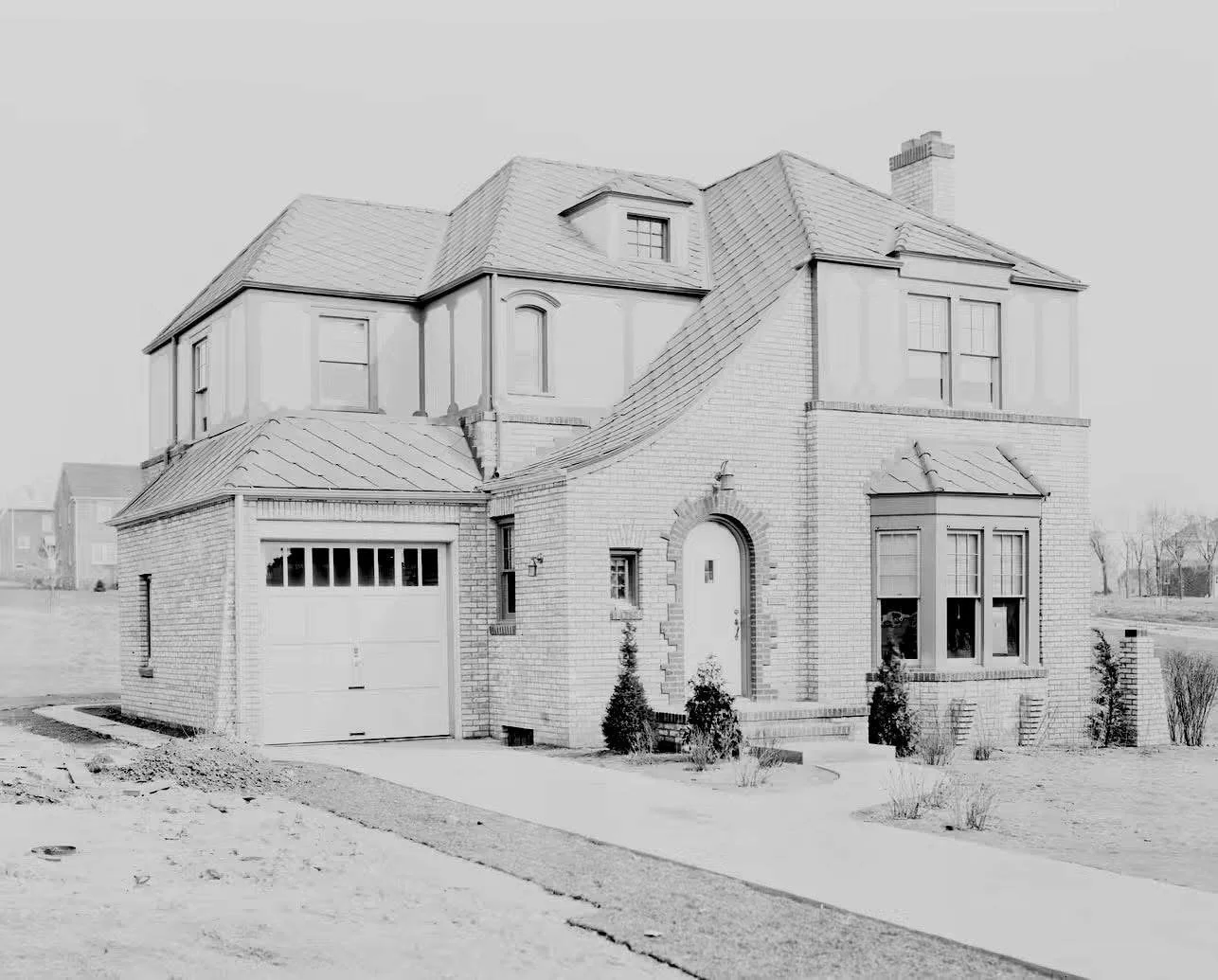
Story 46: Photographer Nathaniel L. Dewell and his images of Country Club Homes
Nathaniel L. Dewell, was a commercial photographer who worked almost exclusively in Omaha, Nebraska, from the 1910s until 1940. In the late 1920s through 1940 he captured many newly built homes in the Country Club neighborhood.
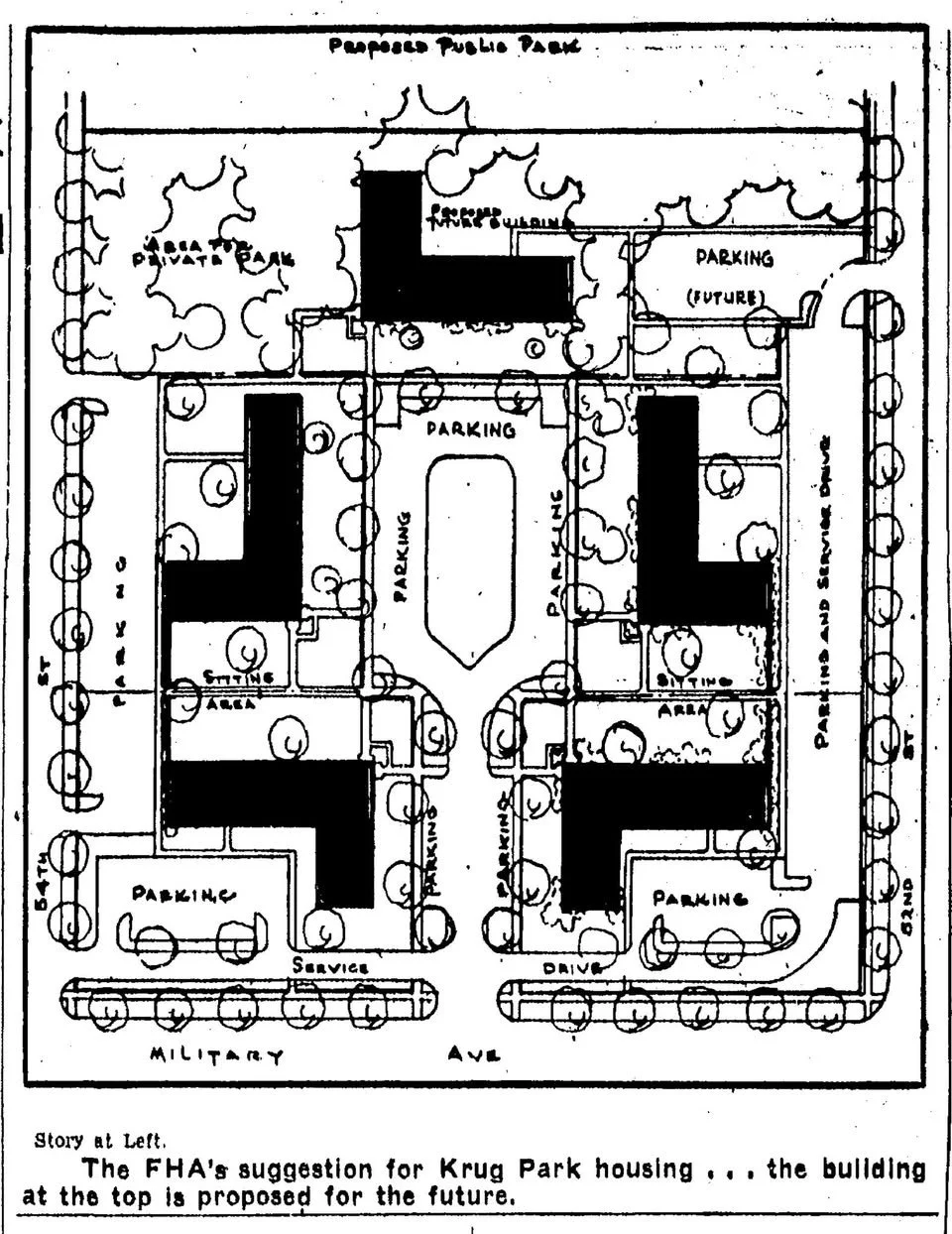
Story #45: The Fight to Save Krug Park
What if Gallagher Park had become apartment buildings?
It nearly did.