
Blog
In 2026, we’re celebrating 100 years of the Country Club Neighborhood - one of Omaha’s most distinctive residential areas, known for its winding streets, mature trees and remarkable homes. Throughout the year, this blog will be home to 100 stories from our neighborhood — celebrating the people, places, architecture, and memories that shaped it into the community we call home. Follow along as we explore how a golf course became a neighborhood, and how history still lives on our streets.
Have a story or photo to share? We’d love to hear from you: council@countryclubhd.org
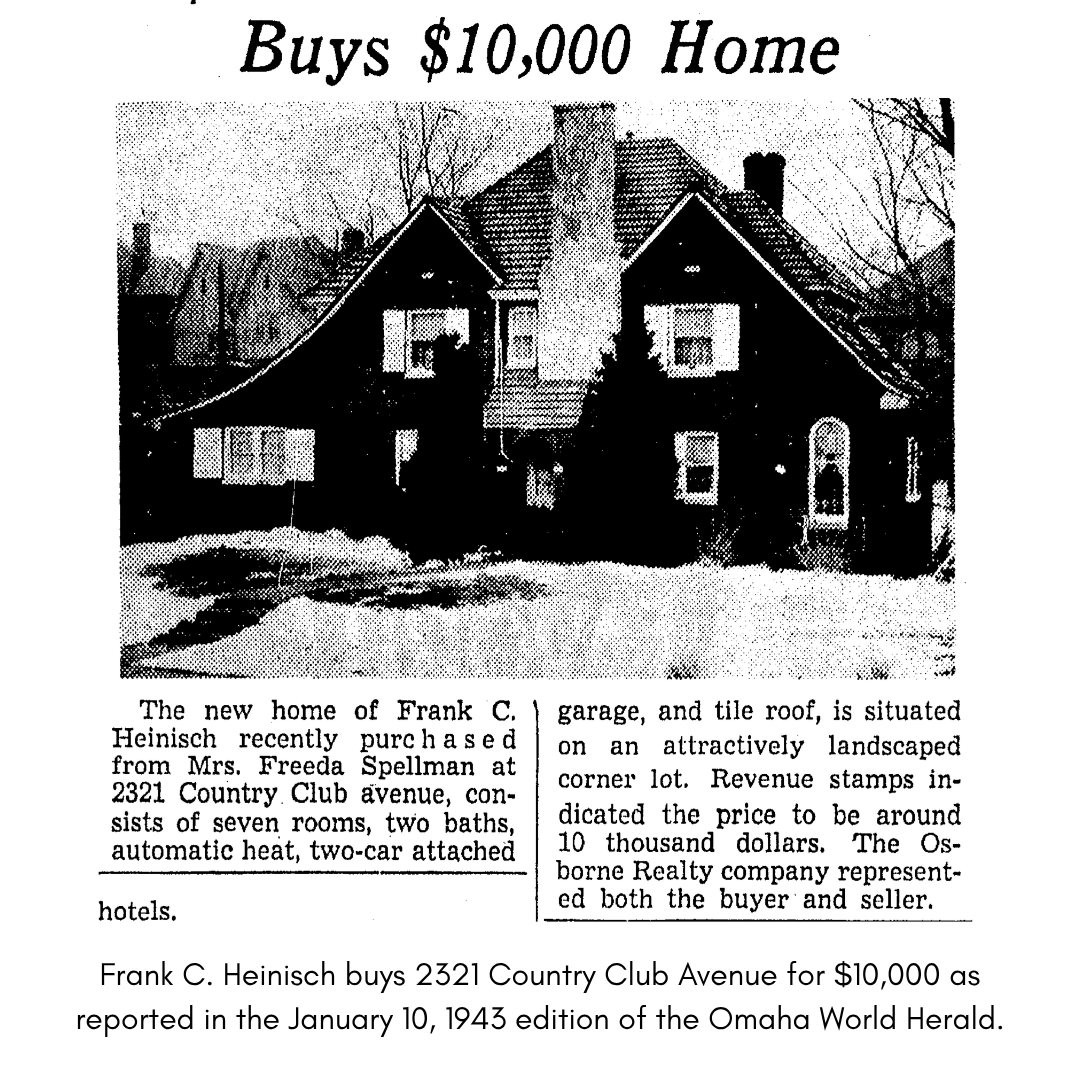
Story #44: 2321 Country Club Avenue (Built 1929)
Most Country Club history stories focus on the houses. But what about the people who lived in them?
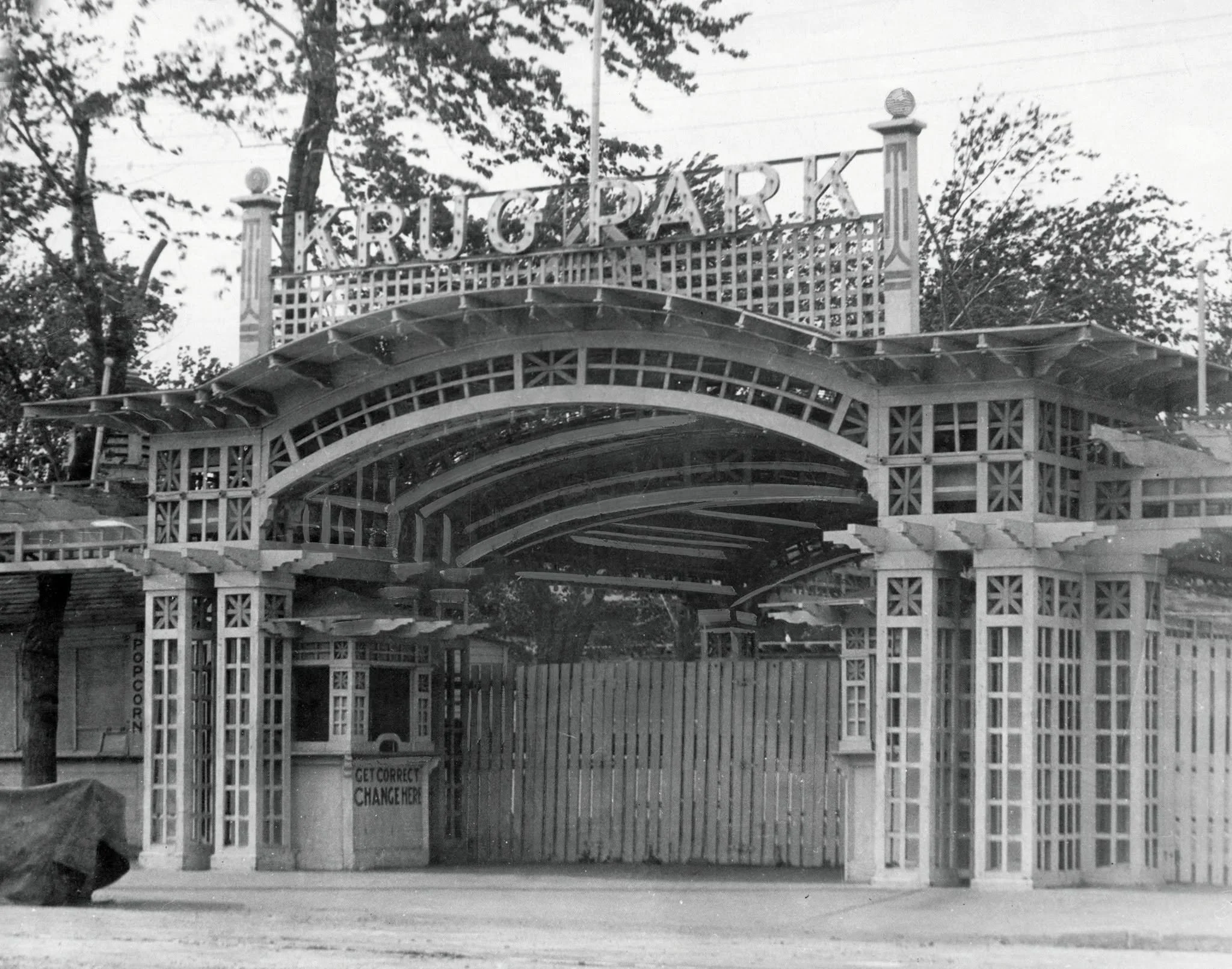
Story #43 — Krug Park: Country Club's Backyard Playground
When the Country Club neighborhood was developed in the 1920s, homebuyers weren't just purchasing a house—they were buying into a lifestyle. One of the neighborhood's biggest attractions sat just a short walk or streetcar ride away: Krug Park, Omaha's beloved amusement park at 52nd Street and Military Avenue.
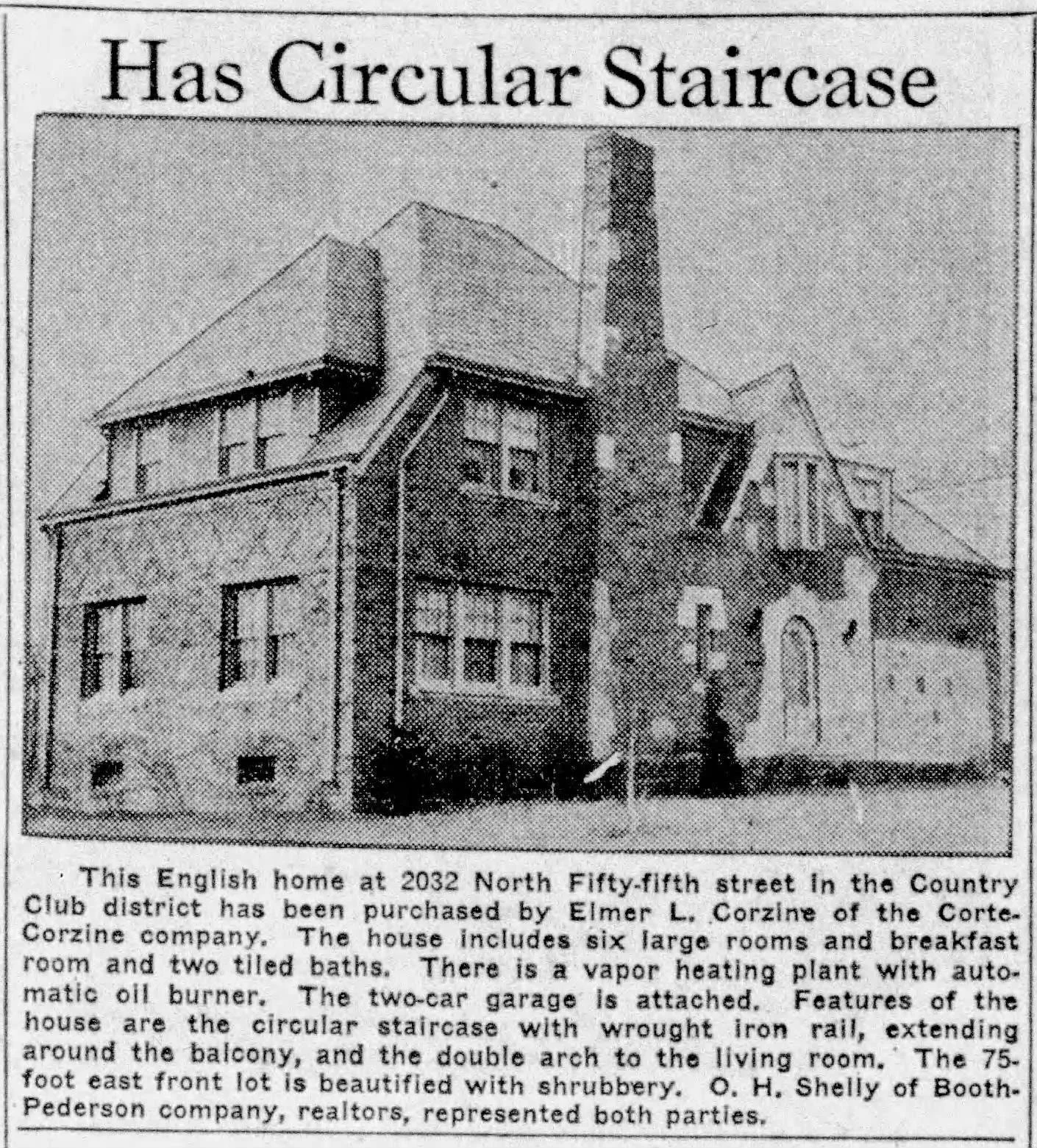
Story #42: 2032 N. 55th Street (Built 1928)
Some homes were designed to impress. This one became one of Omaha's most celebrated model homes.
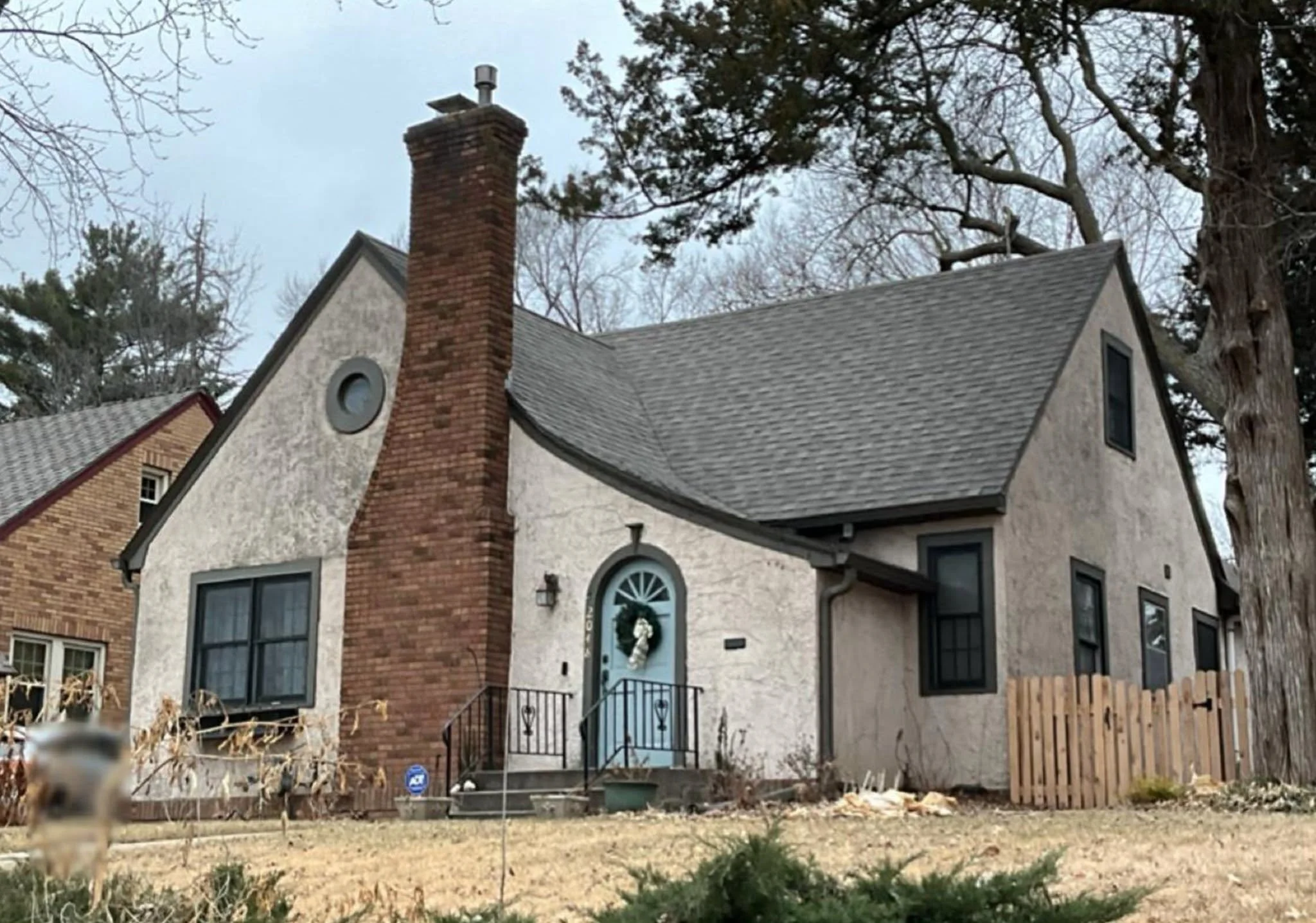
Story #41: 2048 N. 54th Street (Built 1927)
Some homes tell the story of a neighborhood.
Others tell the story of the people who served, led, and quietly shaped their community. The bungalow at 2048 N. 54th Street was among the early homes built in the new Country Club neighborhood.
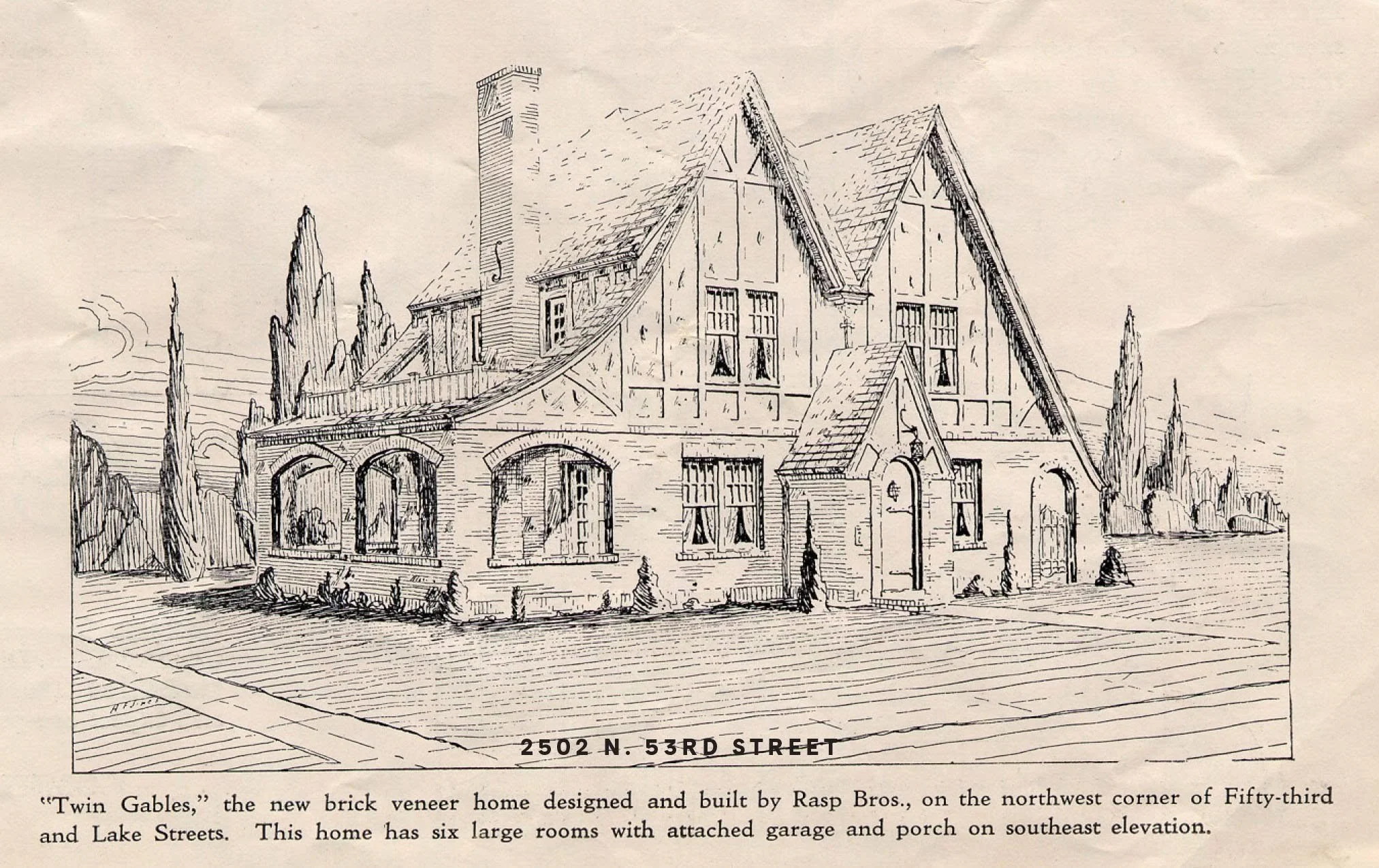
Story #40: 2502 North 53rd Street (Built 1928)
Before it even had an owner, the brick home at 2502 N. 53rd Street was already creating buzz.
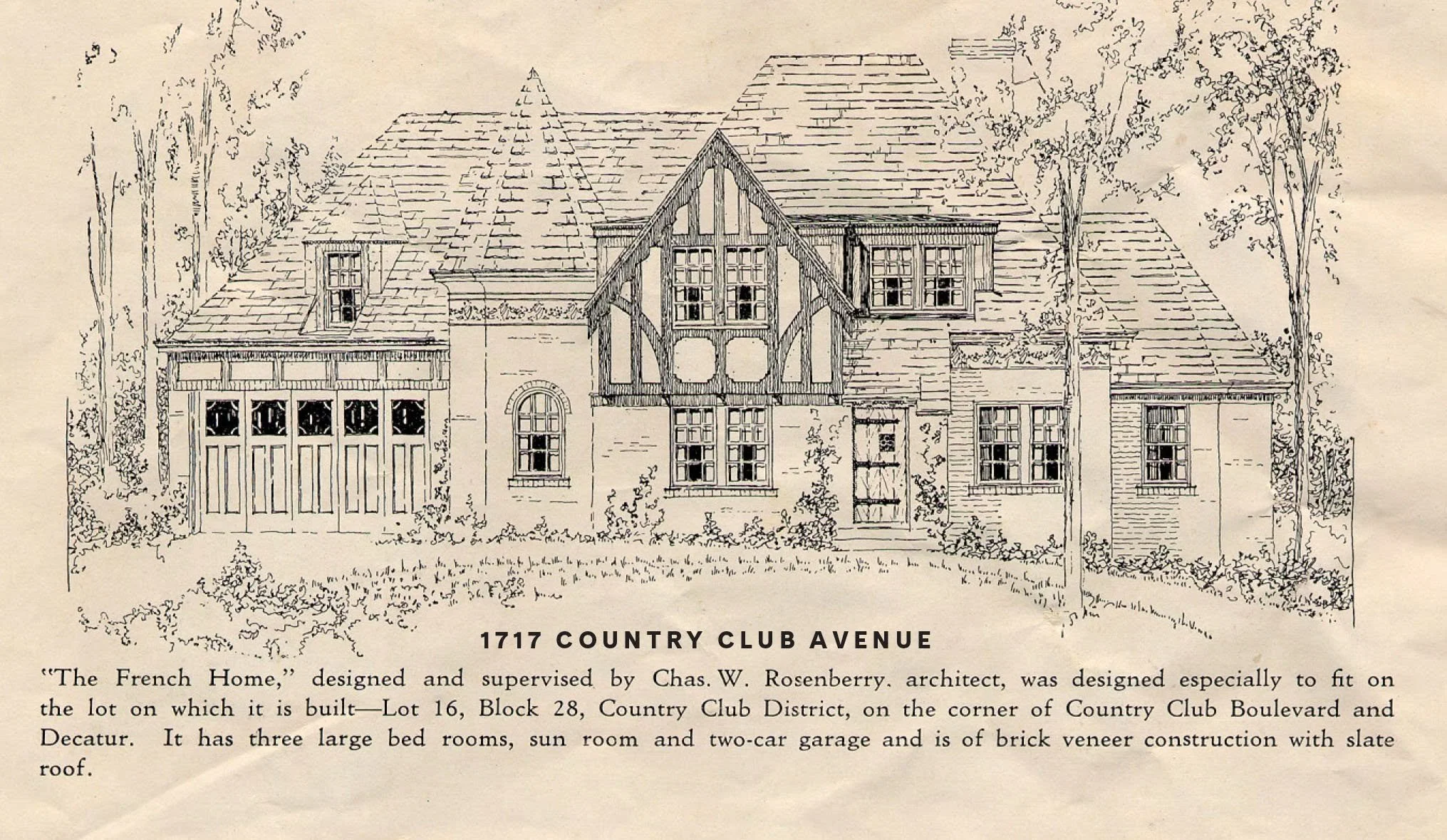
Story #39: 1717 Country Club Avenue (Built 1928)
Some homes were designed to impress.
Others were designed to belong perfectly to their setting.
“The French Home” at 1717 Country Club Ave. managed to do both.
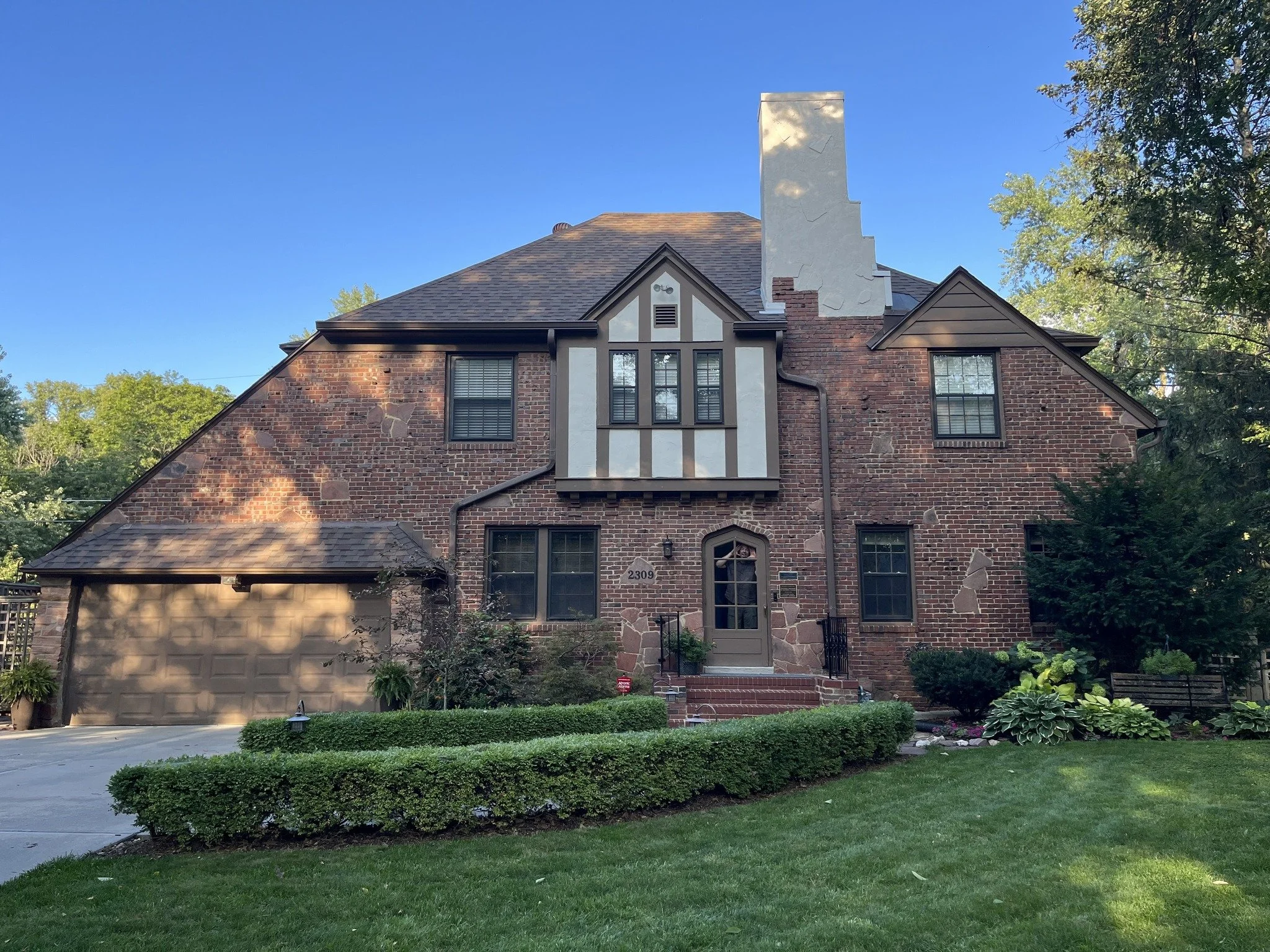
STORY #38: 2309 Country Club Avenue (Built 1928)
Some homes were built to blend in.
Others were built to be noticed.
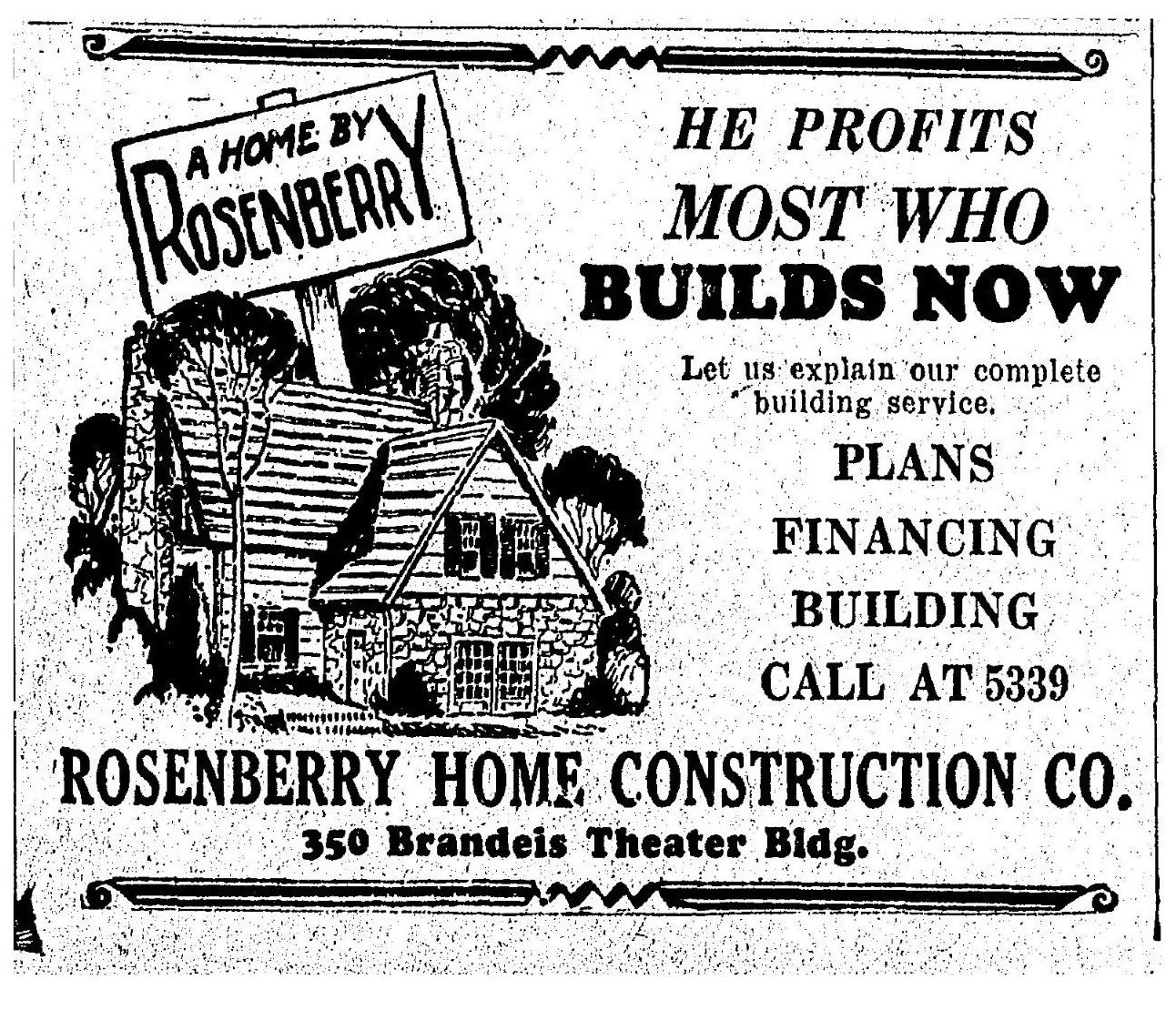
Story #37: The Architect Behind the Neighborhood: Charles W. Rosenberry
If you’ve ever admired the charm and character of homes in the Country Club District, chances are you’ve already noticed the work of one man—even if you didn’t know his name.
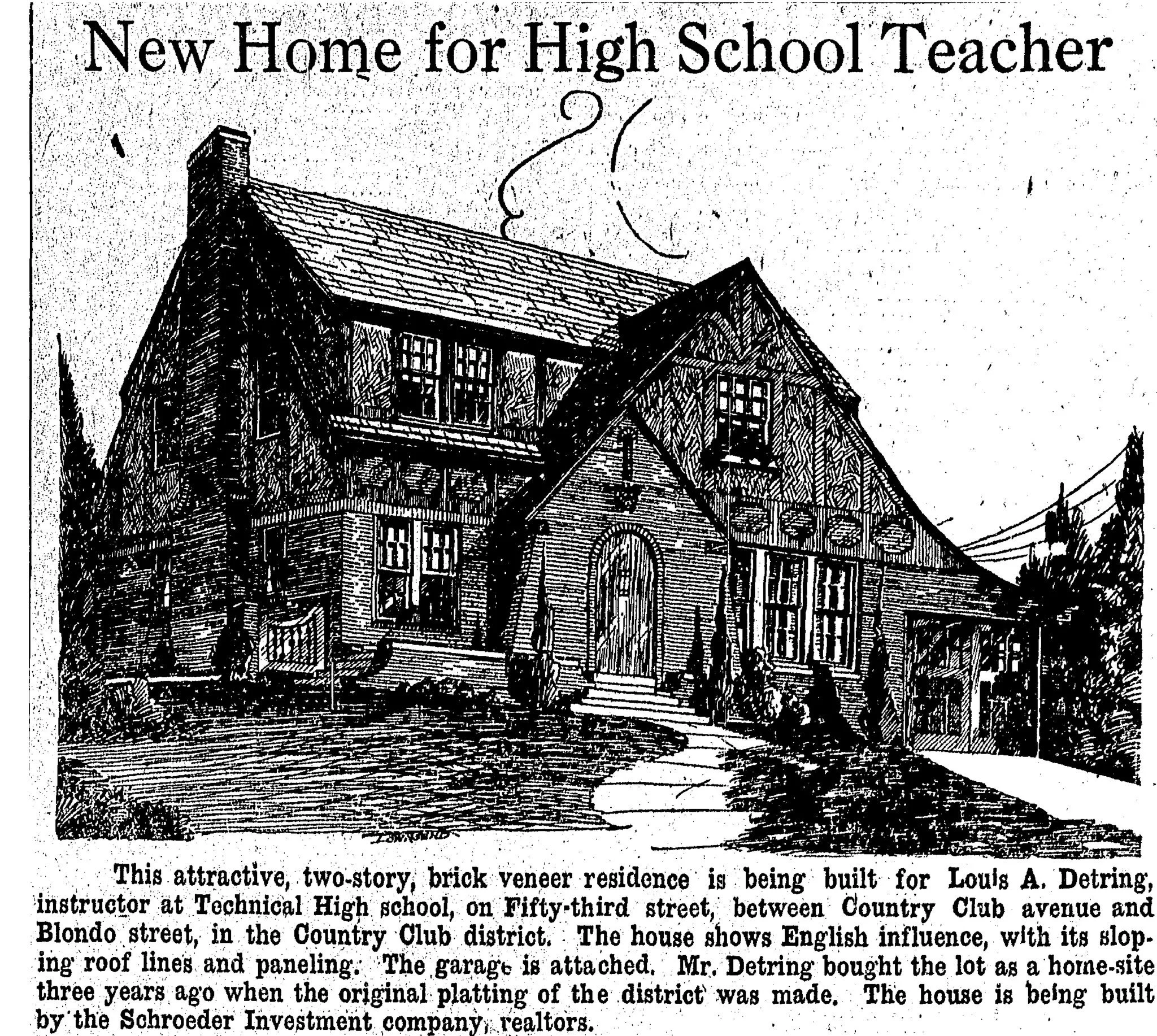
Story #36: 2048 N. 53rd St. (Built 1928)
Schroeder Investment Co. pulled a building permit in January 1928 to build a two-story brick veneer and stucco home at 2048 N. 53rd St.
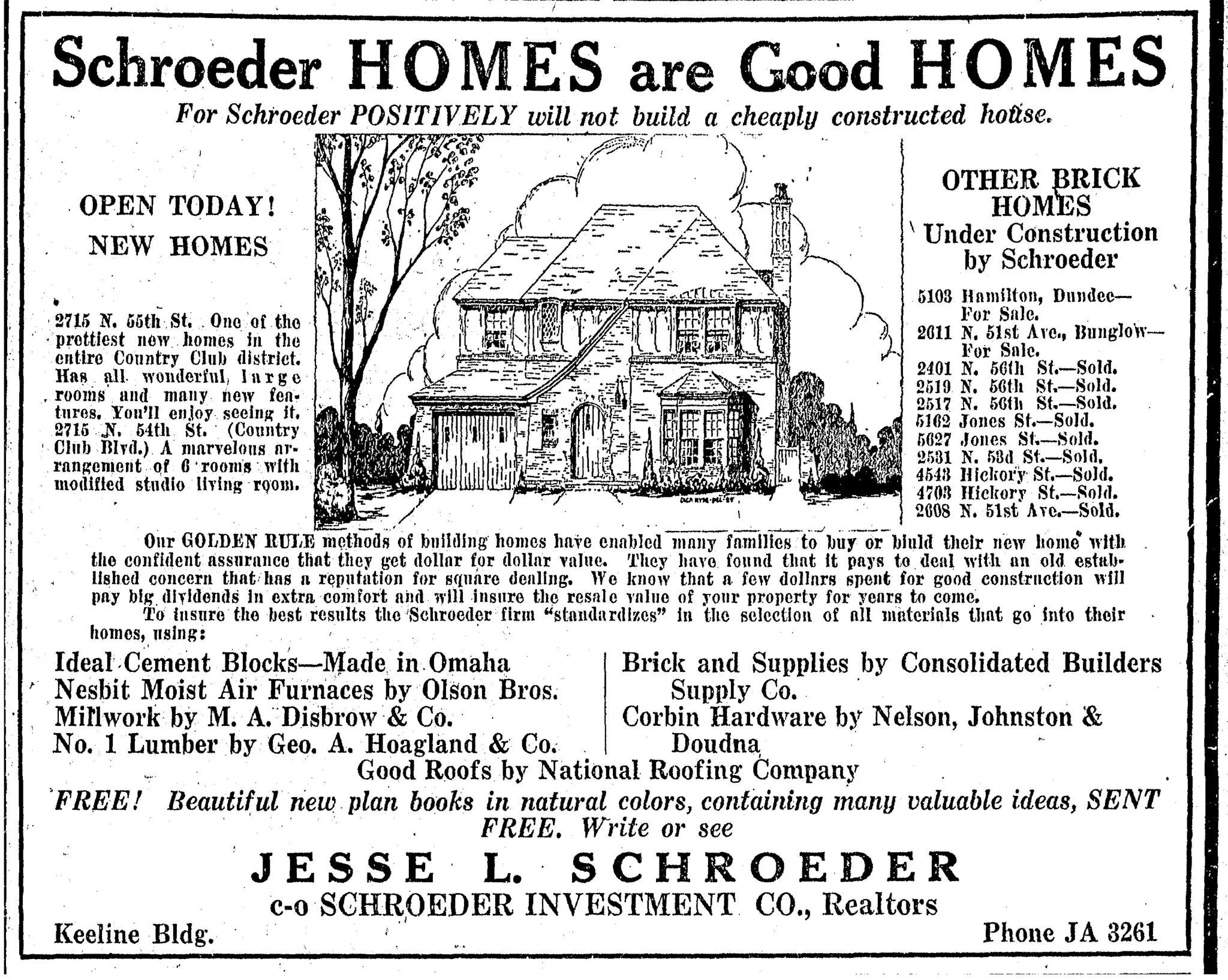
Story 35: Craftspeople and Suppliers Who Worked on the Country Club Homes
Schroeder Investment Co. built more than 50 homes in the Country Club neighborhood. In a May 26, 1929 Omaha World-Herald ad, they emphasized quality construction:
“We know that a few dollars spent for good construction will pay big dividends in extra comfort and will ensure the resale value of your property for years to come.”
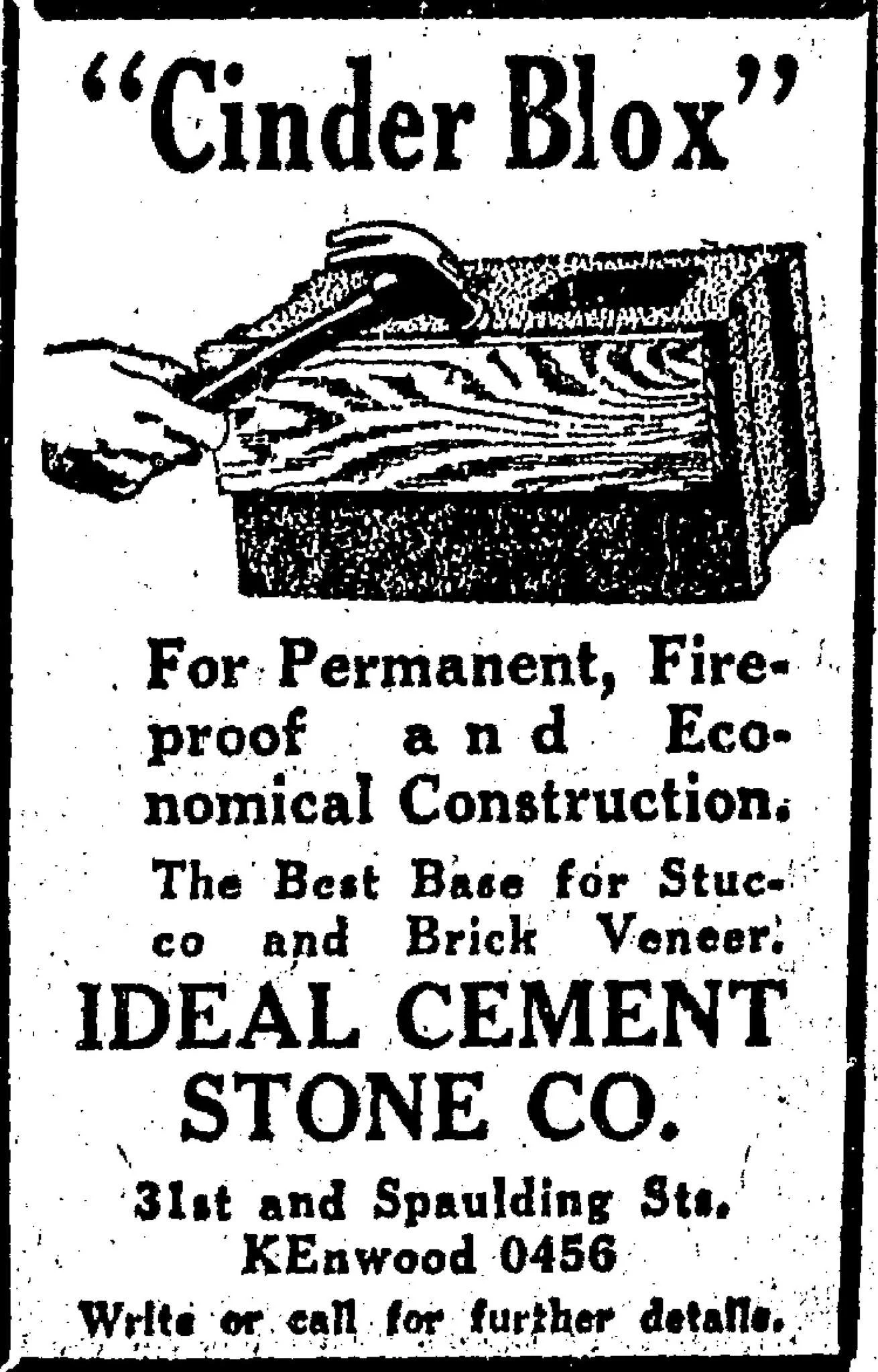
Story 34: New Building Materials in Country Club Homes
As the Country Club neighborhood took shape in the late 1920s and 1930s, new building materials were helping define both its quality and durability.
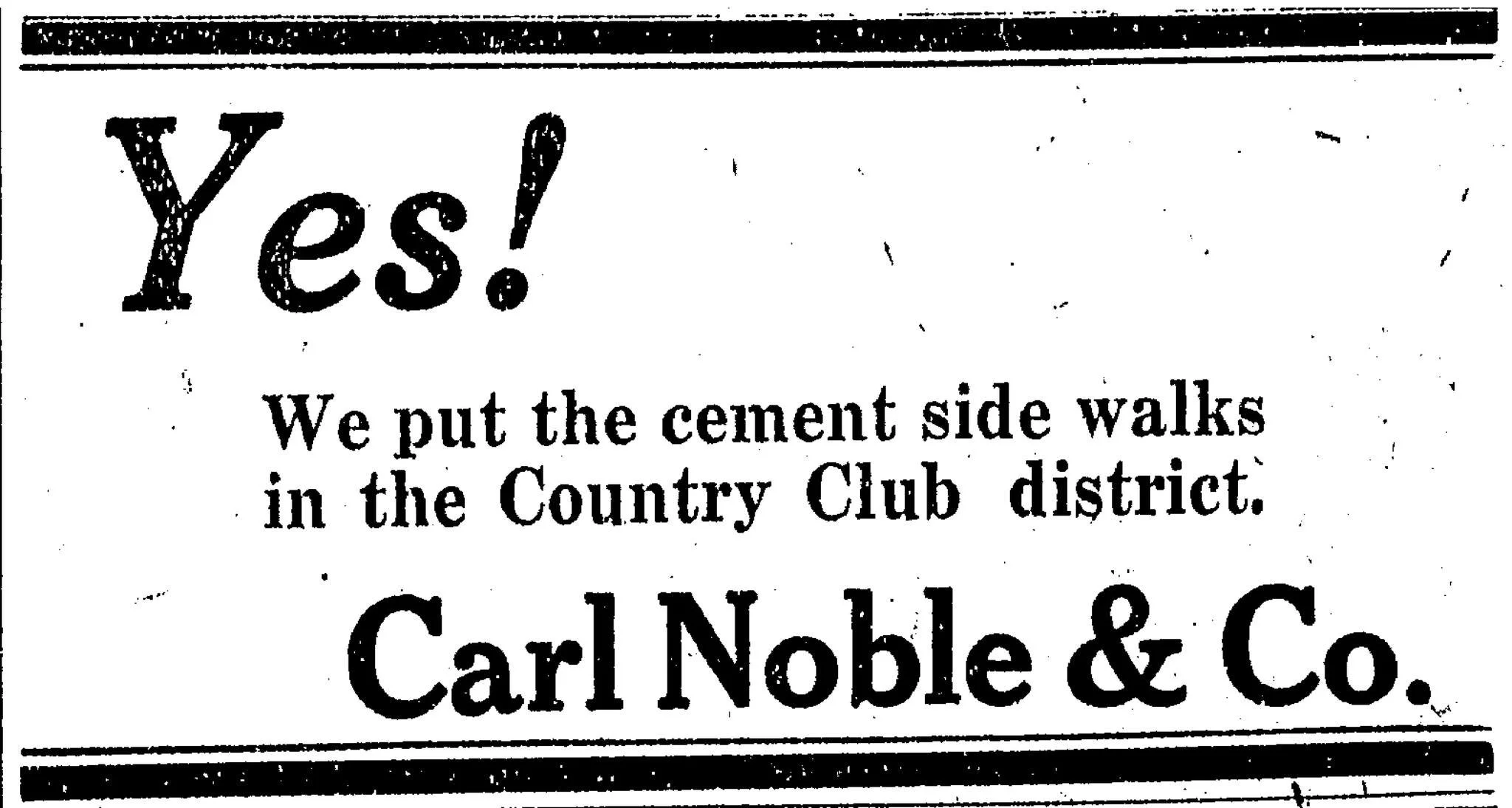
Story #33: Building the Country Club Neighborhood’s Infrastructure
Behind the beautiful homes of the Country Club neighborhood was a team of builders, engineers, and contractors who created the infrastructure that made it all possible.
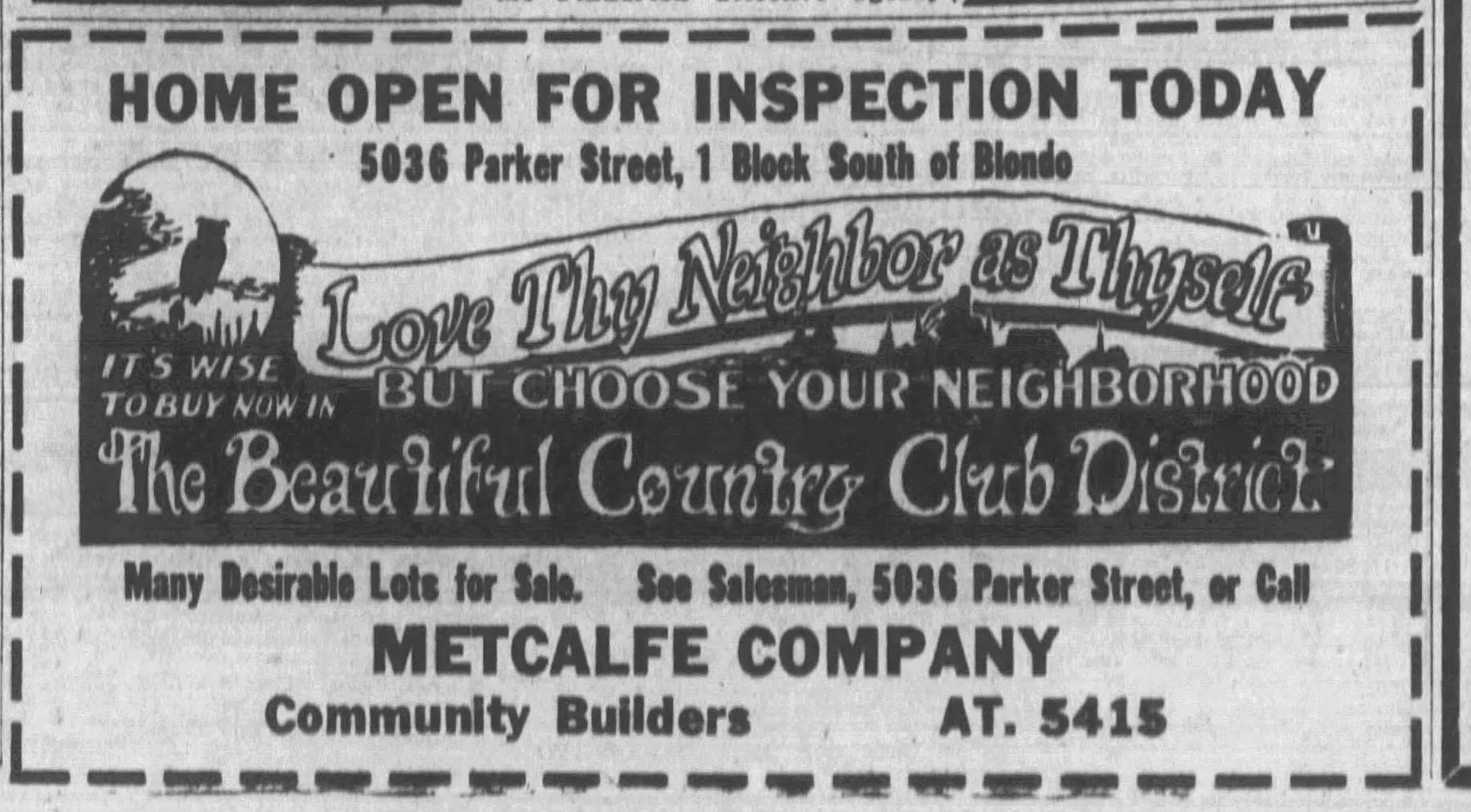
STORY #32: 5036 Parker Street (Built 1928)
A building permit for the home at 5036 Parker Street was issued in October 1927 for $6,000, and construction was completed in February 1928. Built as a speculative home by the Metcalfe Company, it stands out as the only Colonial-style house on the block.
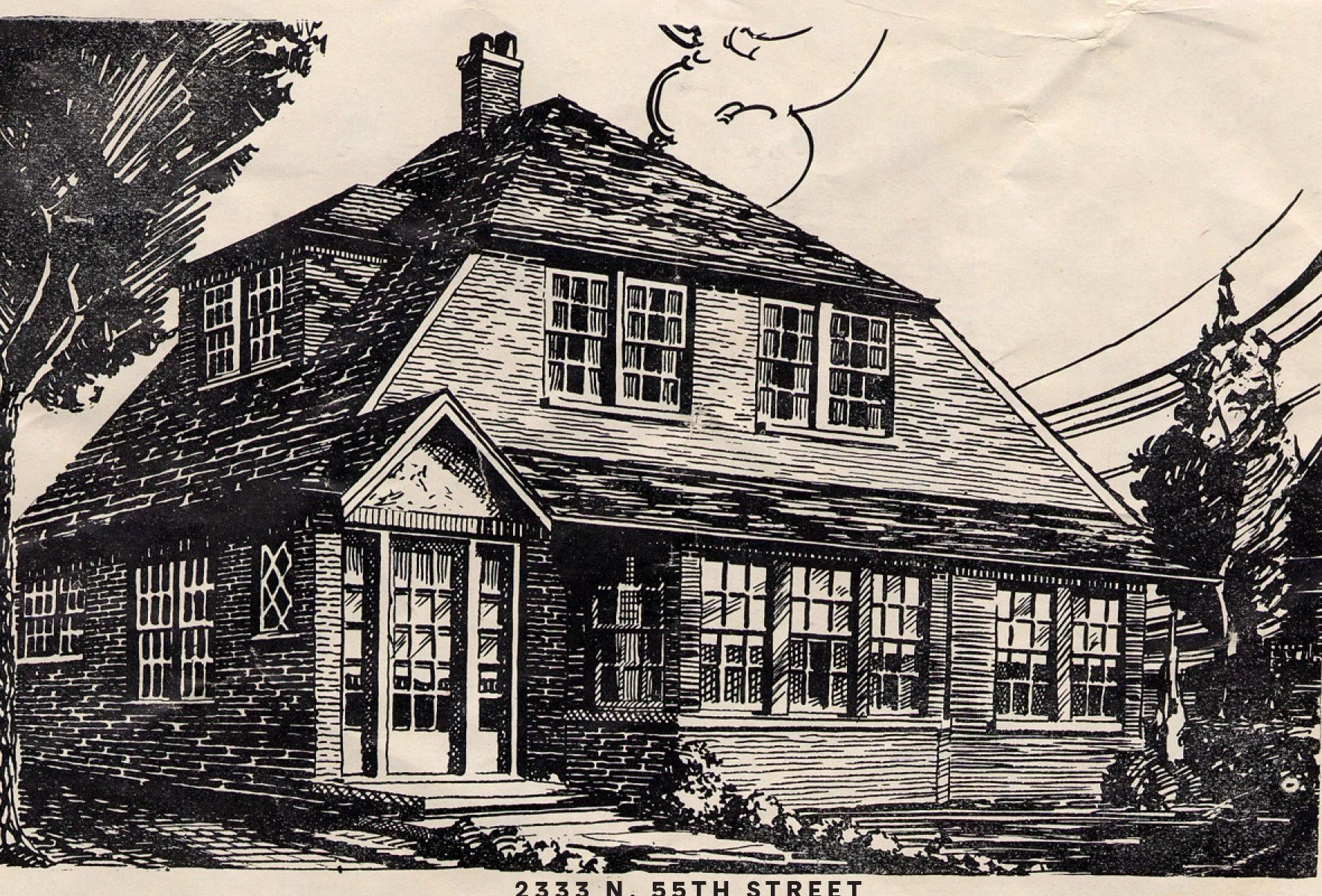
STORY #31: First Homes of the Country Club Neighborhood
When the Country Club District opened in the mid-1920s, developer Theodore Metcalfe had a clear vision for the neighborhood. He wanted homes that were distinctive — not rows of identical houses, but a variety of architectural styles built by many of Omaha’s best craftsmen.
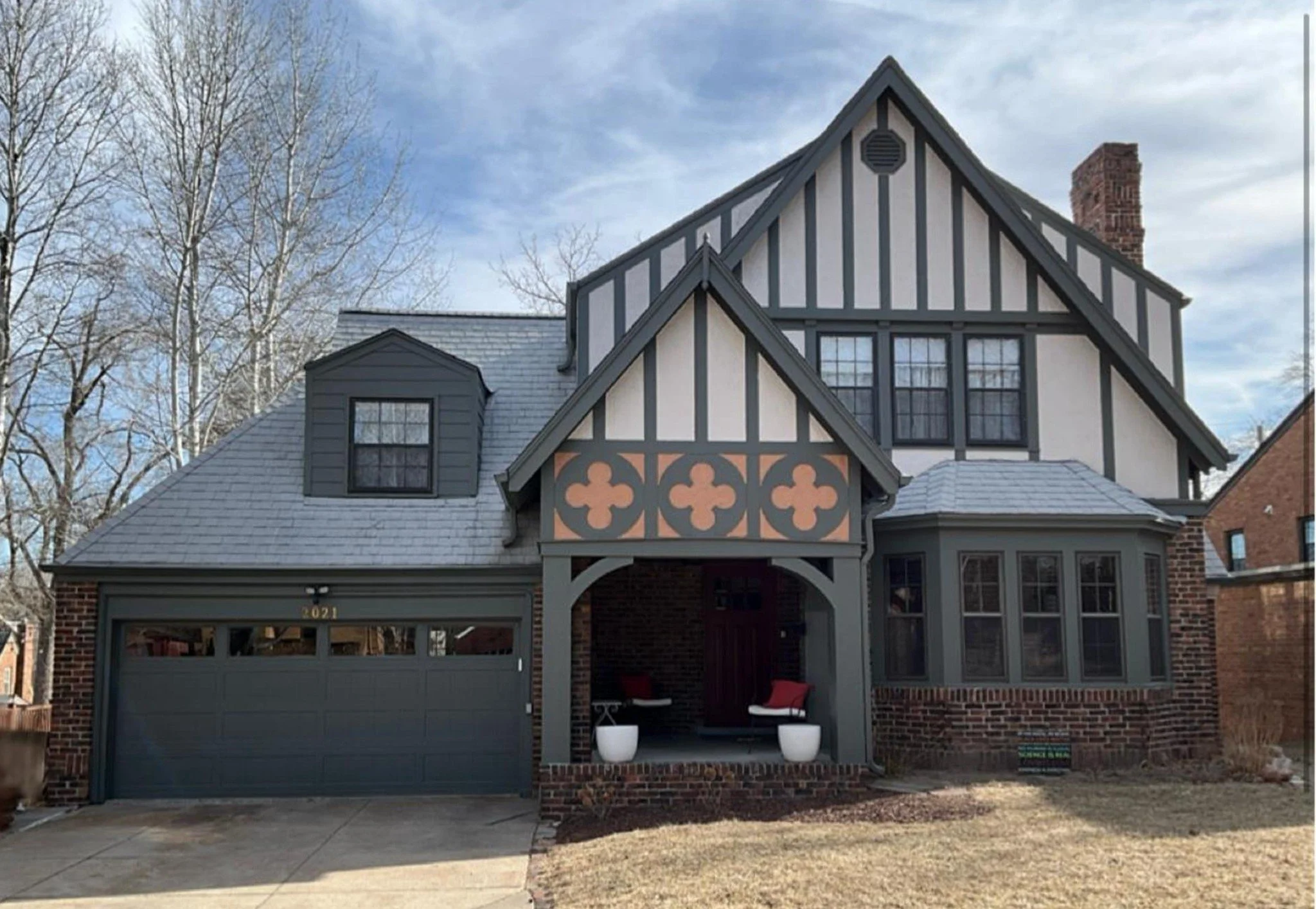
STORY #30: Five Architectural Details to Look for in Country Club Homes
One of the reasons the Country Club Historic District feels so special is the incredible attention to architectural detail built into its homes nearly 100 years ago.
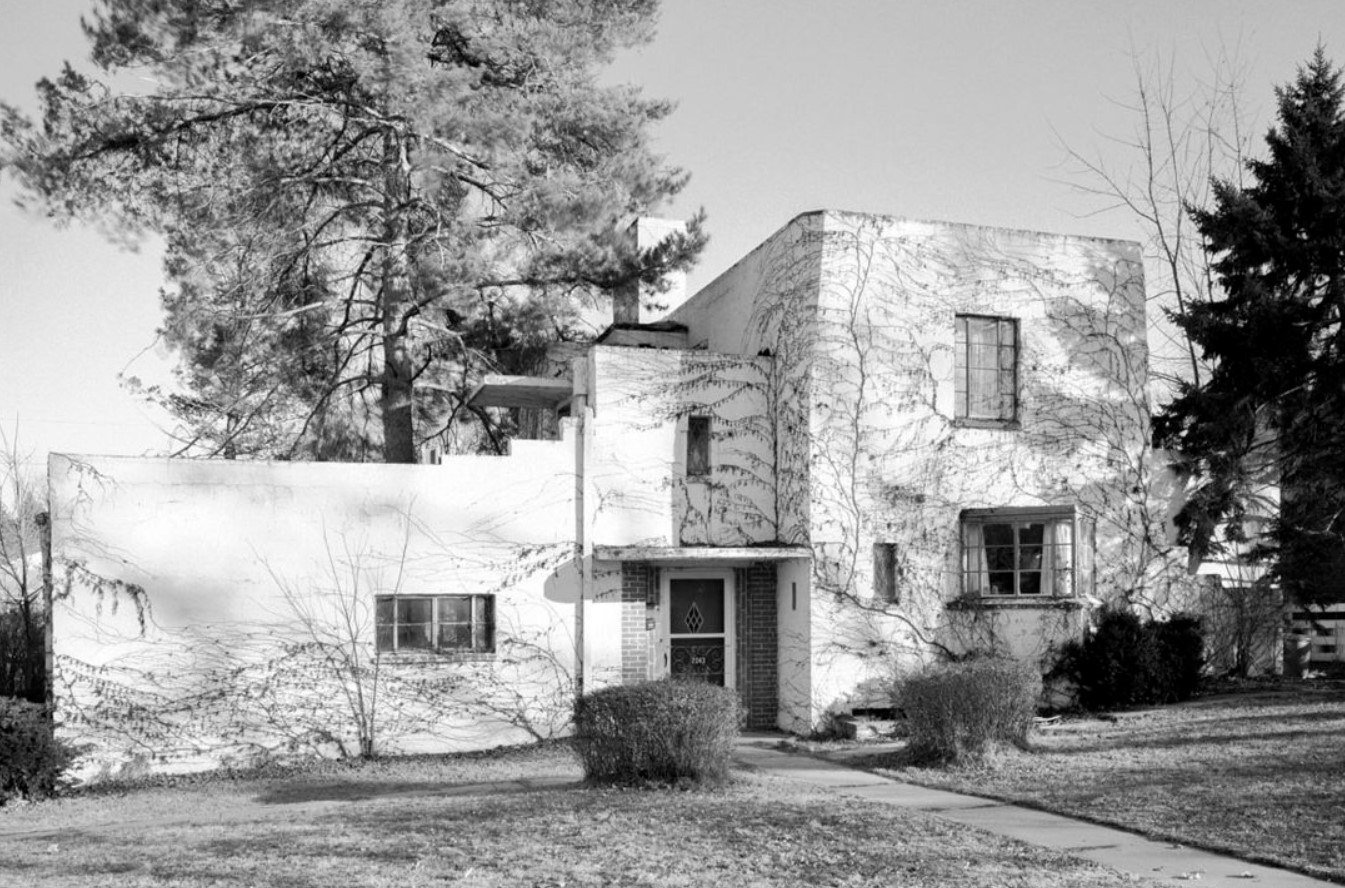
STORY #29: The “House of Tomorrow”
One of the most fascinating homes in the Country Club Historic District is also the most unexpected. While most houses in the neighborhood follow traditional Tudor or Colonial revival styles, one home looked boldly toward the future.
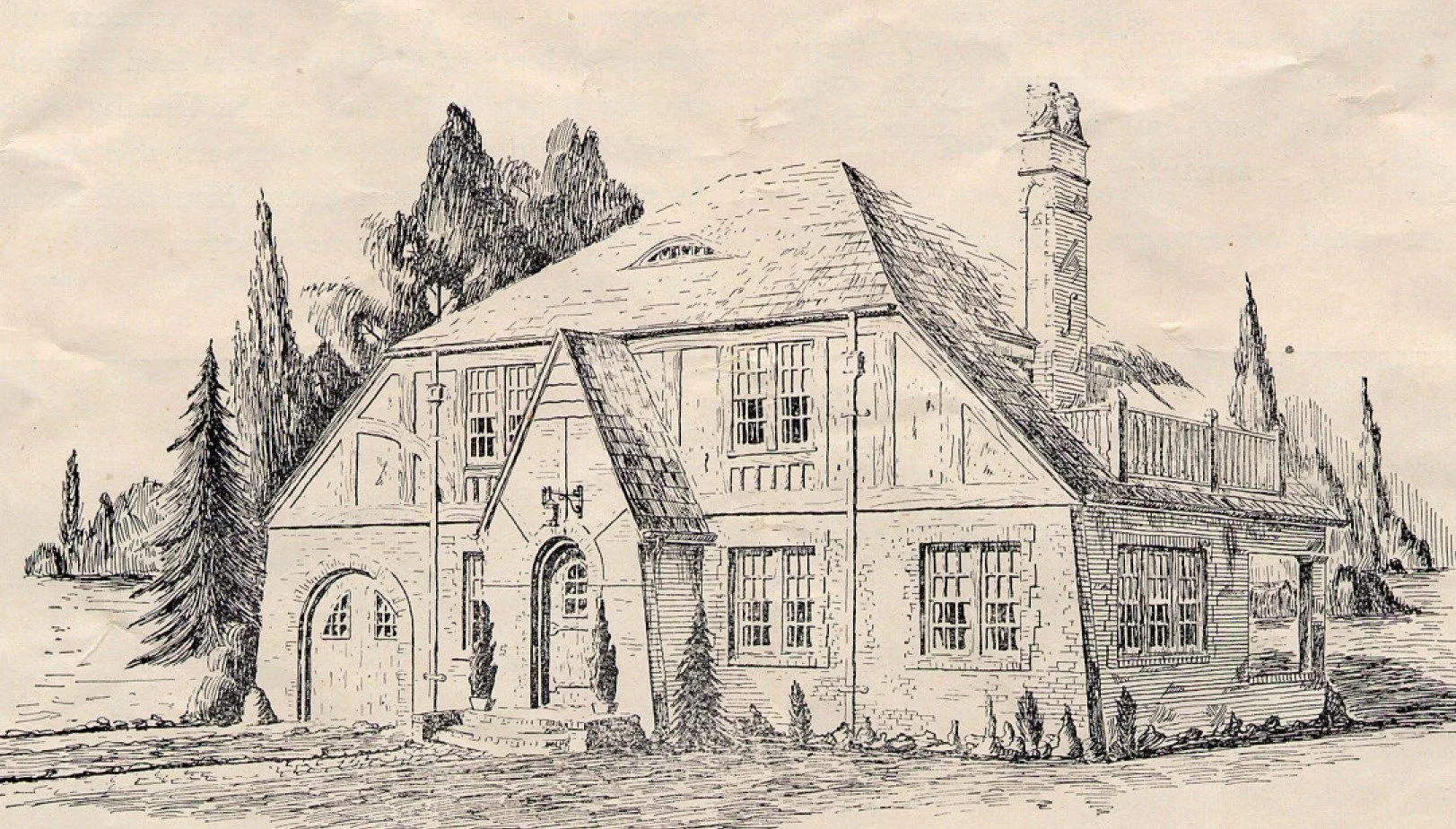
STORY # 28: The Voysey Influence
Among the many Tudor-inspired homes in Country Club is a smaller group of houses whose shapes recall the work of English architect C.F.A. Voysey, a leading figure in the Arts and Crafts movement.
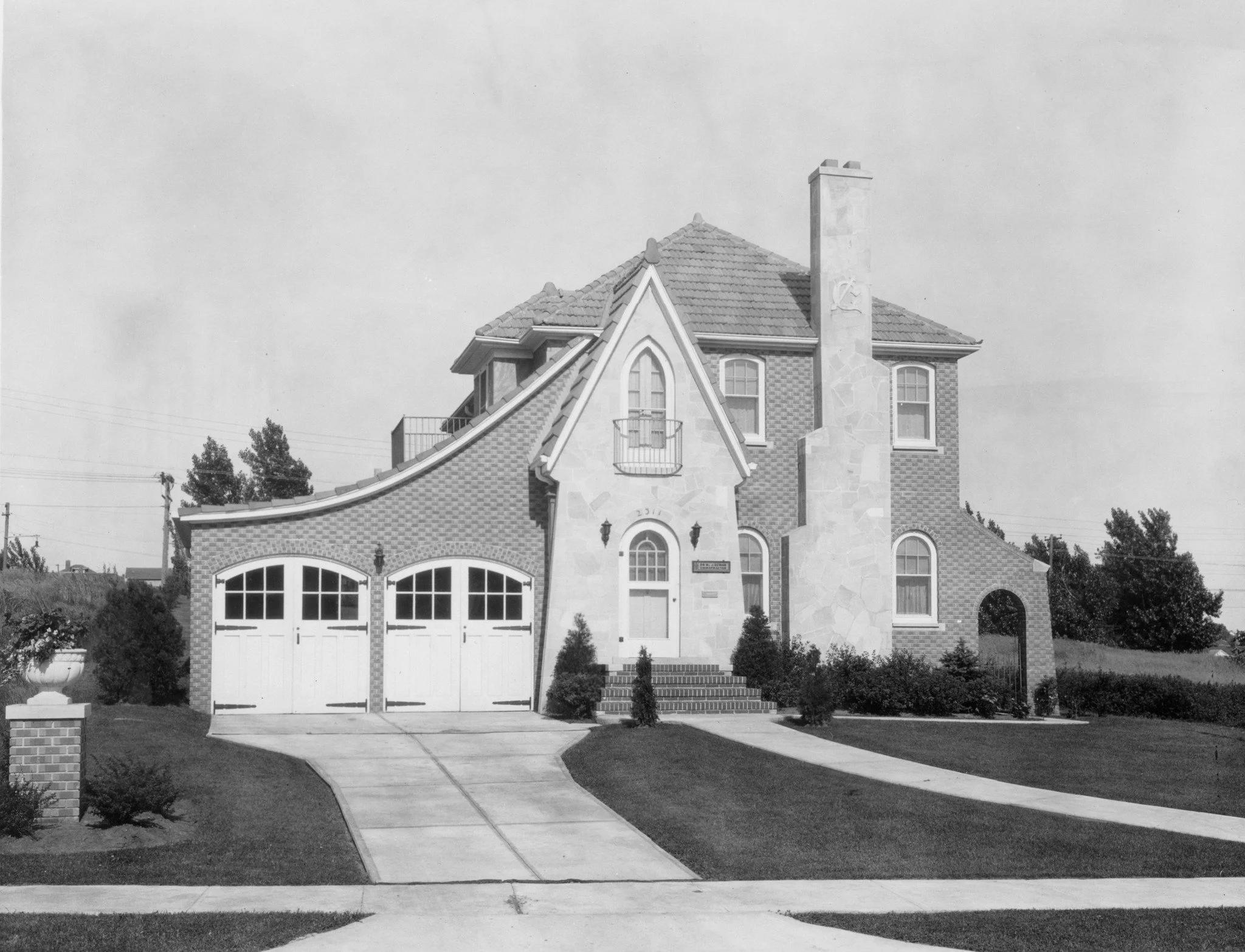
STORY #27: French and Medieval Influences
While many homes in the Country Club Historic District draw inspiration from English Tudor architecture, a few reflect a slightly different influence — French medieval design.
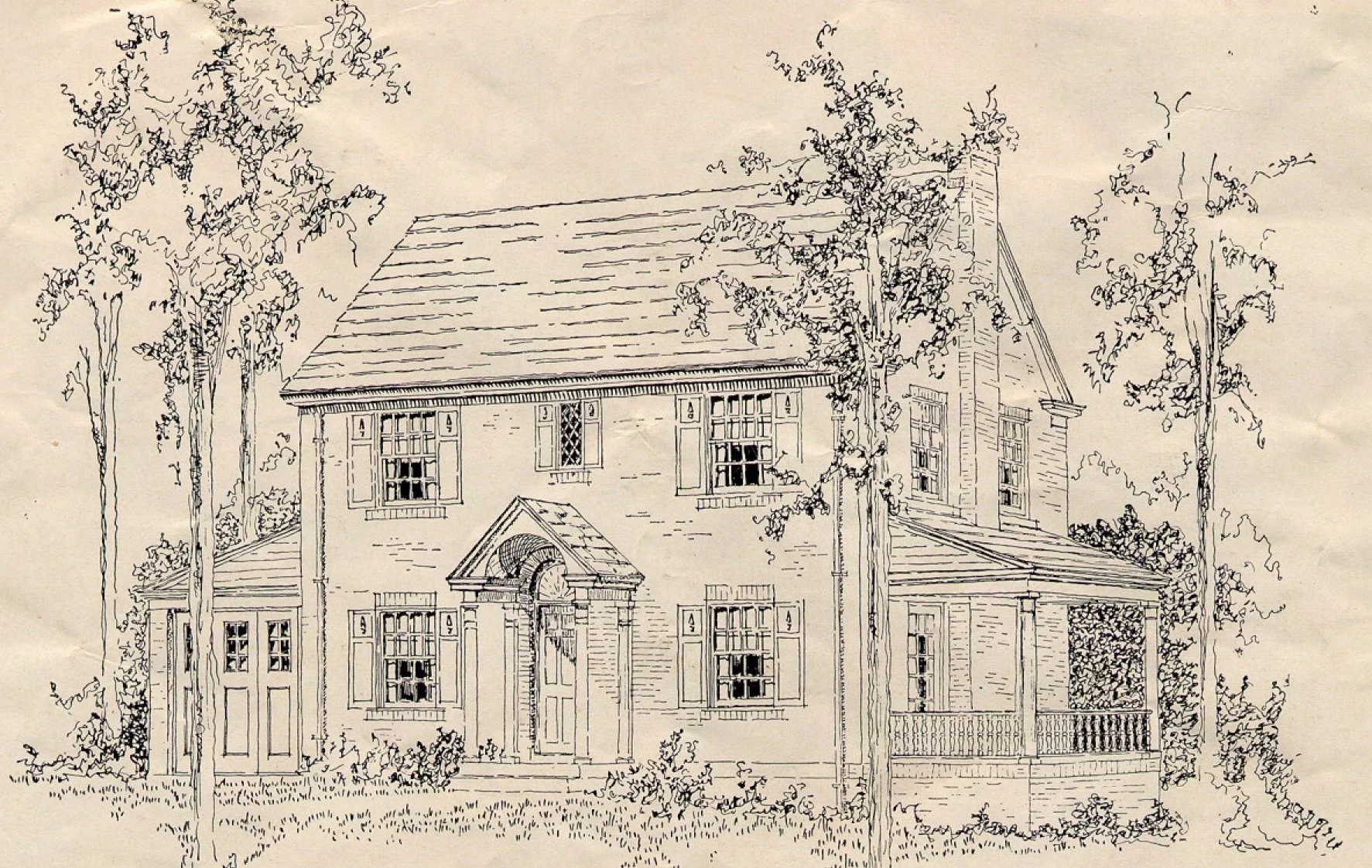
STORY #26: Colonial Revival Elegance
While Tudor homes dominate the Country Club Historic District, another popular architectural style of the 1920s and 1930s also made its mark: Colonial Revival.
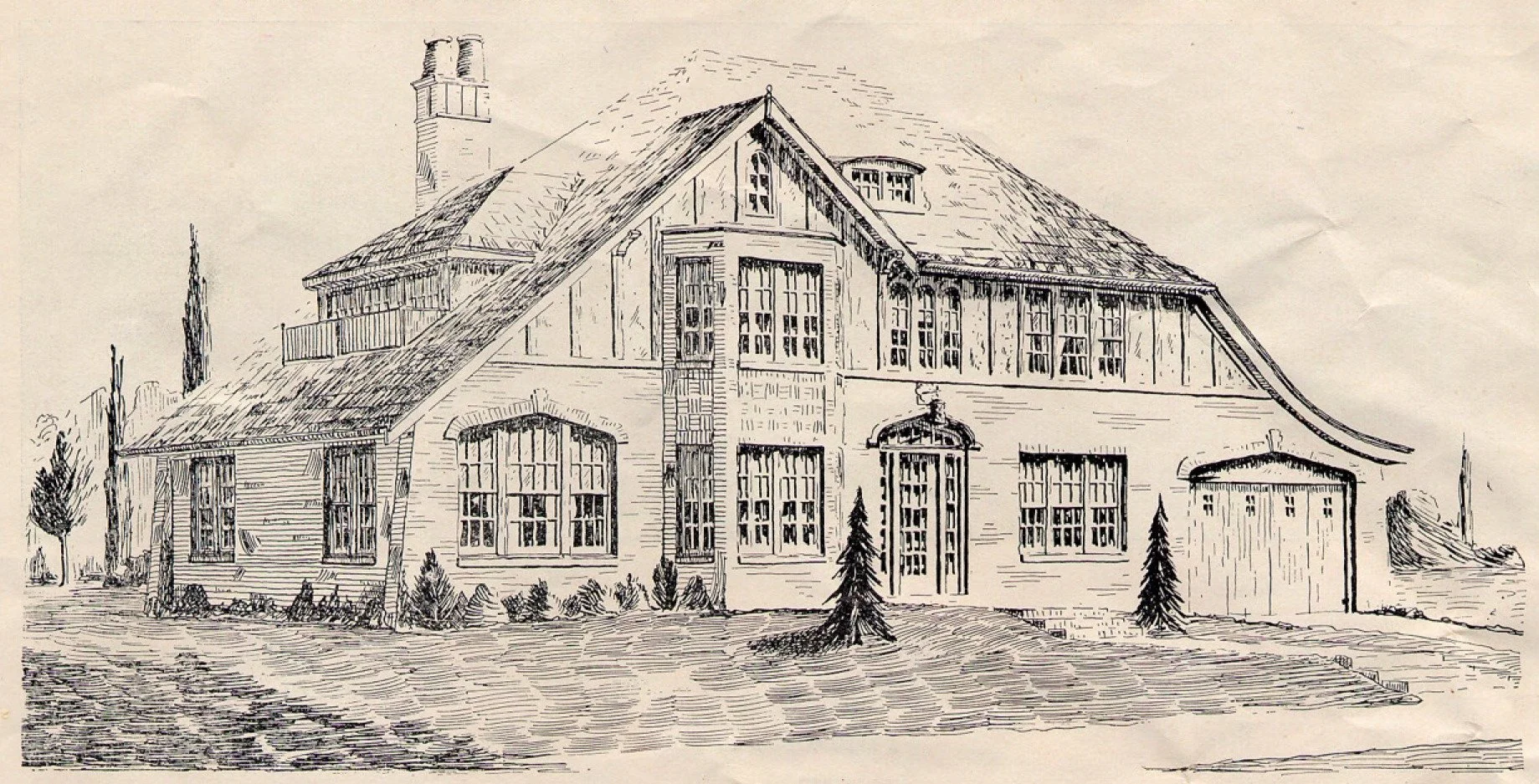
STORY #25: Tudor Style: The Signature Look of Country Club
If there is one architectural style that defines the Country Club Historic District, it is Tudor Revival. Walk down almost any street in the neighborhood and you will see its influence.